
Neck or back pain does not prove that a scan finding called “spondylosis” is causing your symptoms, and the search spelling “spondilysis” can make it harder to find clear guidance. By the end, you will know which symptoms need urgent medical review, how clinicians confirm the problem, and how to compare physiotherapy with medication, injections, specialist care and surgery.
Key takeaways
- Spinal wear on an X-ray does not prove it causes your pain.
- Seek medical assessment urgently for weakness, loss of balance, or bladder changes.
- Physiotherapy targets movement, strength and function; medication mainly controls symptoms.
- Track pain, movement and daily activities to decide whether treatment needs changing.
Spondylosis, “spondilysis” and the conditions that look similar
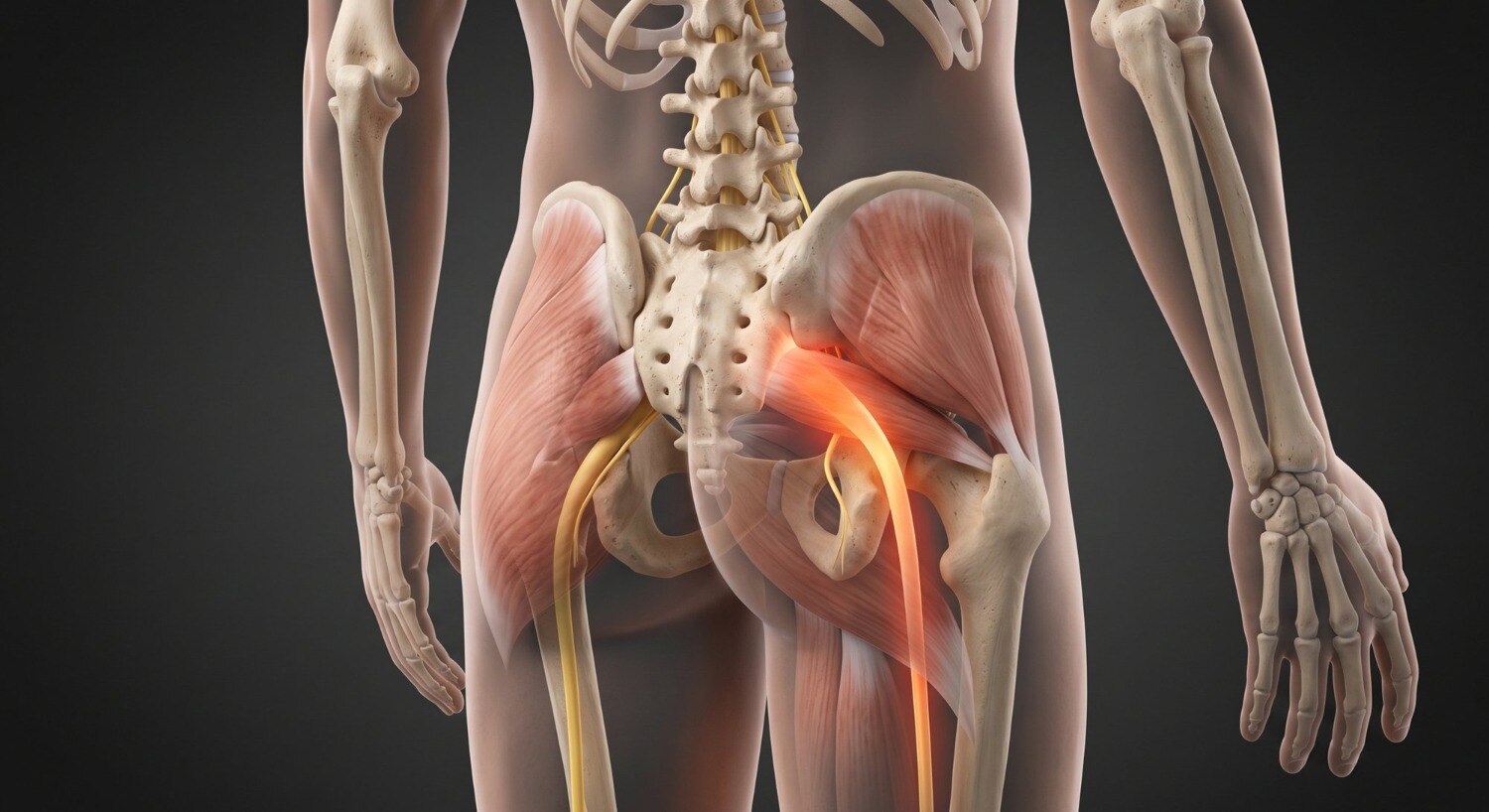
Spondylosis means age-related wear in the spine, including changes to discs, vertebrae and facet joints. Cervical spondylosis affects the neck, thoracic spondylosis the mid-back, and lumbar spondylosis the lower back. An X-ray or MRI finding does not prove it causes your pain: these changes also appear in people without symptoms.
Match the scan with your pain pattern, movement, strength, sensation, reflexes and daily function.
| Condition | Clues that differ from spondylosis | What helps confirm it |
|---|---|---|
| Spondylosis | Local stiffness or pain, sometimes with nerve irritation | Examination matched to imaging |
| Spondylitis | Inflammation, prolonged morning stiffness, night pain or pain improving with movement | Medical assessment and blood tests or imaging |
| Spinal stenosis | Leg pain, numbness or heaviness when walking or standing that eases when sitting | Neurological examination and imaging |
| Slipped disc | Sudden back or neck pain with pain, tingling or weakness down an arm or leg | Nerve examination and imaging when indicated |
| Muscle strain | Pain follows lifting, sport or awkward movement and settles as the muscle heals | Clinical examination; scans are rarely needed |
“Spondilysis” is usually a misspelling or search variation for spondylosis. Confirm the diagnosis instead of choosing spondilysis rehabilitation options from symptoms alone. Weakness, worsening balance, loss of hand coordination, new bladder or bowel problems, saddle numbness, fever, unexplained weight loss, major trauma or previous cancer need prompt medical assessment.
When symptoms need a doctor before routine rehabilitation
Do not start routine exercises if pain comes with neurological change or signs of serious illness. Seek urgent medical assessment for:
- New or worsening weakness in an arm or leg
- Loss of hand coordination, repeated dropping, or difficulty buttoning clothes
- Deteriorating balance, an unsteady walk, or falls
- New loss of bladder or bowel control, inability to pass urine, or numbness around the groin and inner thighs
- Fever, unexplained weight loss, or a history of cancer
- Severe symptoms after a road crash, fall, or other major trauma
A clinician will match the scan, if one exists, to your symptoms rather than treating an MRI report alone. Degenerative changes are common without pain.
| What the clinician checks | Why it matters | What may happen next |
|---|---|---|
| Pain location and pattern | Separates neck, low-back, radiating nerve, and spinal-cord-related symptoms | Rehabilitation, medication review, or specialist referral |
| Strength, sensation and reflexes | Detects nerve-root or spinal-cord compromise | Urgent review or targeted treatment if abnormalities progress |
| Walking, balance, hand function and bladder or bowel symptoms | Identifies loss of function that routine rehabilitation must not delay | Immediate medical assessment when warning signs are present |
| Trauma, fever, weight loss, cancer history and medicines | Screens for fracture, infection, cancer and treatment risks | Blood tests or imaging when results will change management |
Routine imaging is not usually the first step for uncomplicated back pain. A clinician orders X-ray or MRI when serious disease, progressive neurological deficit, or a change in treatment is suspected.
How physiotherapy compares with medication, injections and surgery
Physiotherapy is a sensible first-line option when pain limits movement but strength, sensation, reflexes and walking remain stable, with no urgent warning sign. It should combine graded exercise and activity advice with manual therapy or massage for short-term relief, not use hands-on treatment alone.
For spondilysis treatment near Dighi, ask how function will be measured and when the plan will be reviewed.
| Option | Best fit | Main limitation |
|---|---|---|
| Physiotherapy | Persistent neck or back pain, stiffness and reduced function without progressive nerve problems | Requires regular exercise and review; passive treatment alone is inadequate |
| Medication | Short-term pain control that helps you move or sleep | NSAIDs need clinician-guided dosing and review of stomach, kidney, heart, pregnancy and interaction risks |
| Injection | Selected nerve-root or facet-related pain after medical assessment | Relief can be temporary and does not correct weakness or restore conditioning |
| Surgery | Progressive neurological deficit, spinal-cord signs, severe compression or failed appropriate conservative care | Involves operative risk and is not justified by an abnormal scan alone |
Coordinate medication with a qualified clinician. For suitable low-back pain, an oral NSAID at the lowest effective dose for the shortest period may be considered; paracetamol alone and long-term opioids are not routine solutions. Seek prompt medical or specialist assessment instead of routine rehabilitation for:
- Worsening arm or leg weakness, clumsy hands, or deteriorating balance
- New bowel or bladder difficulty or saddle numbness
- Fever, unexplained weight loss, major trauma or a history of cancer
- Persistent radiating pain that fails an appropriate rehabilitation plan
What a physiotherapy assessment and treatment plan near Dighi involves
The first visit should test whether the scan matches your symptoms, not treat the scan alone. The physiotherapist will ask about pain location, numbness, weakness, sleep, work and daily activities, then assess spinal movement, strength, sensation, reflexes, walking and relevant joints.
Tell them if weakness is progressing, your hands feel clumsy, balance is worsening, or bowel or bladder control has changed; these findings need medical review rather than routine treatment.
A suitable plan should state:
- Which movements or activities currently aggravate symptoms
- Your baseline function, such as sitting, walking, neck rotation, lifting or sleep
- The exercise dose, progression and review date
- What response means “continue,” “modify” or “refer”
Treatment should follow those findings. Physiotherapy for spondilysis near dighi is stronger when hands-on care supports an active programme rather than replaces it.
| Option | What it involves | When it applies |
|---|---|---|
| Exercise | Cervical or lumbar strengthening, mobility, movement retraining and home practice | Reduced strength, stiffness or poor activity tolerance |
| Manual therapy | Mobilisation or massage for short-term relief | High irritability, alongside exercise and education |
| Traction | Carefully monitored unloading | Selected neck nerve symptoms; stop if arm pain, numbness or weakness worsens |
| Medical review | Examination, medication advice, injection or specialist referral | Progressive neurological signs or poor recovery despite appropriate rehabilitation |
At Dr Renukas Physiotherapy center, ask how your baseline function will be recorded and when the plan will be reassessed. An exercise sheet without progression, response tracking or referral criteria is not a complete rehabilitation plan.
Related services
all types of joint pain ₹600 we give holistic Treatment for spondylysis, neck pain Back pain, shoulder pain, tennis elbow, sciatica, knee pain, ankle sprain, sports... View service → |
General Appointment ₹600 General Appointment |
How to judge progress and know when the plan needs changing
Judge the plan by what your body can do, not by whether an X-ray looks unchanged. Degenerative changes often remain visible while pain, movement and daily function improve.
- Record pain on a 0–10 scale, but also note how long you can sit, stand, walk, work, sleep, turn your neck or lift before symptoms limit you.
- Track symptom frequency, sleep interruptions and recovery after exercise. A brief flare that settles within a day differs from steadily worsening pain.
- Record numbness, tingling, grip, leg strength, balance and coordination. New or worsening neurological changes matter more than pain alone.
- Check whether your exercise dose is progressing: more repetitions, walking time or work tolerance with controlled symptoms indicates useful rehabilitation.
A plan needs review when function has not improved after the agreed trial, exercises remain impossible, symptoms repeatedly flare, or treatment consists mainly of massage, TENS, ultrasound or laser without an active progression plan. These modalities do not correct degenerative spinal disease.
Return to the prescribing clinician when pain changes pattern, becomes constant or prevents sleep despite treatment. Seek urgent medical assessment for worsening weakness, clumsy hands, new balance problems, loss of bladder or bowel control, or numbness around the genitals.
Specialist review is appropriate for progressive neurological findings, severe persistent nerve compression or failure of well-delivered conservative care. Use these checkpoints when comparing spondilysis rehabilitation options.
Frequently asked questions
What is the difference between spondylosis and “spondilysis”?
Spondylosis is the usual term for age-related changes in spinal discs, vertebrae and facet joints. “Spondilysis” is a common spelling variation, but it can be confused with spondylolysis, a stress defect in part of a vertebra.
When should I see a doctor before starting physiotherapy for spondylosis?
Arrange medical assessment before routine rehabilitation if you have progressive weakness, numbness in both limbs, worsening balance, loss of bladder or bowel control, saddle numbness, fever, unexplained weight loss, major trauma, or severe night pain.
How does physiotherapy compare with medication, injections and surgery for spondylosis?
Physiotherapy focuses on restoring movement, strength and daily function. Medication can reduce pain enough to stay active, injections may provide targeted short-term relief, and surgery is reserved for selected cases involving persistent nerve compression, spinal cord problems or instability.
What happens during a physiotherapy assessment near Dighi?
The physiotherapist reviews your symptoms, medical history and scans, then checks posture, spinal movement, strength, sensation, reflexes, walking and functional tasks. The plan can include exercises, activity changes, manual techniques and progress measures.
How do I know whether my spondylosis rehabilitation plan is working?
Track pain intensity, walking or sitting tolerance, spinal movement, sleep and specific tasks such as climbing stairs or turning your head. Contact your physiotherapist if symptoms worsen, new neurological signs appear, or progress stops despite consistent treatment.
Keywords