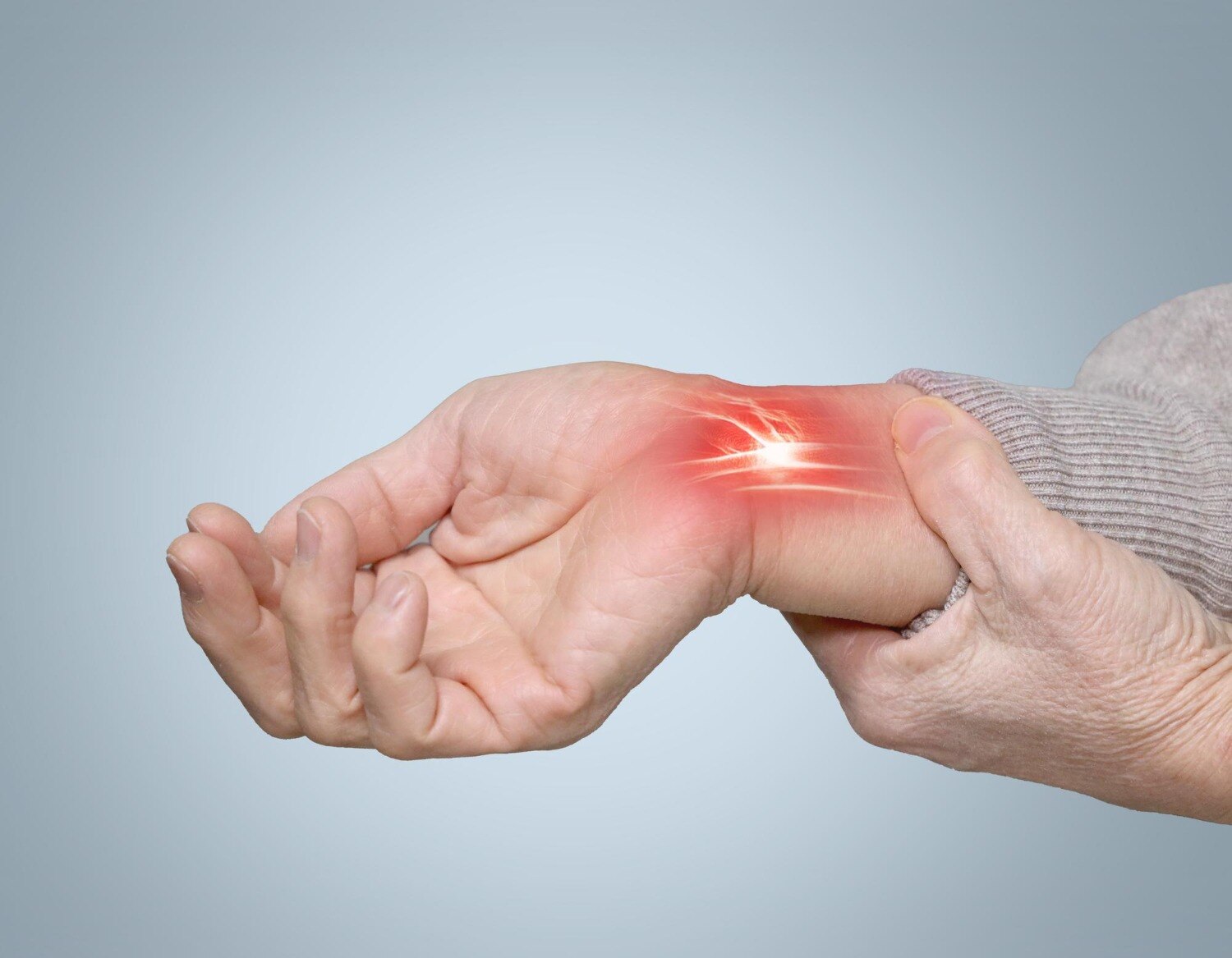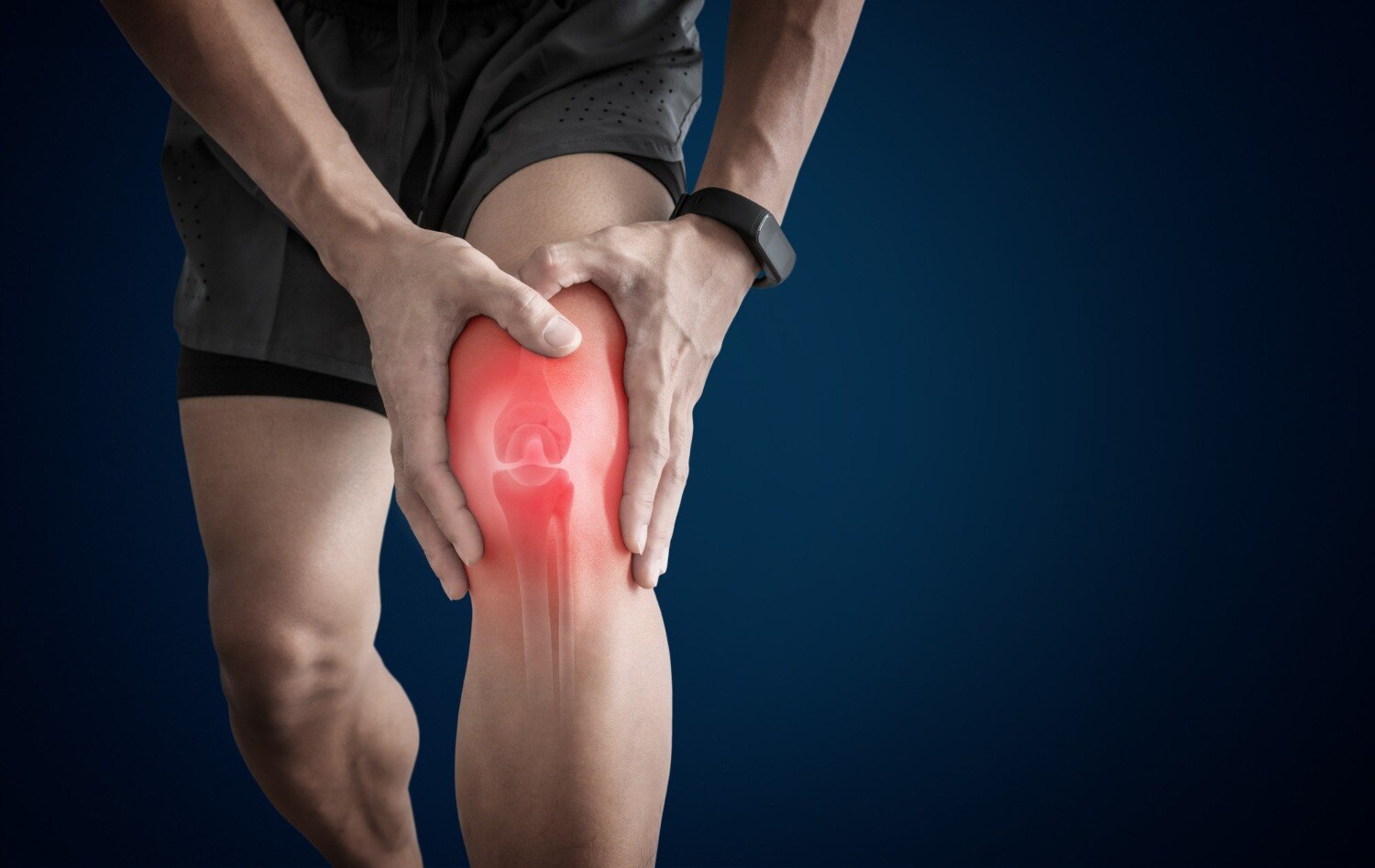
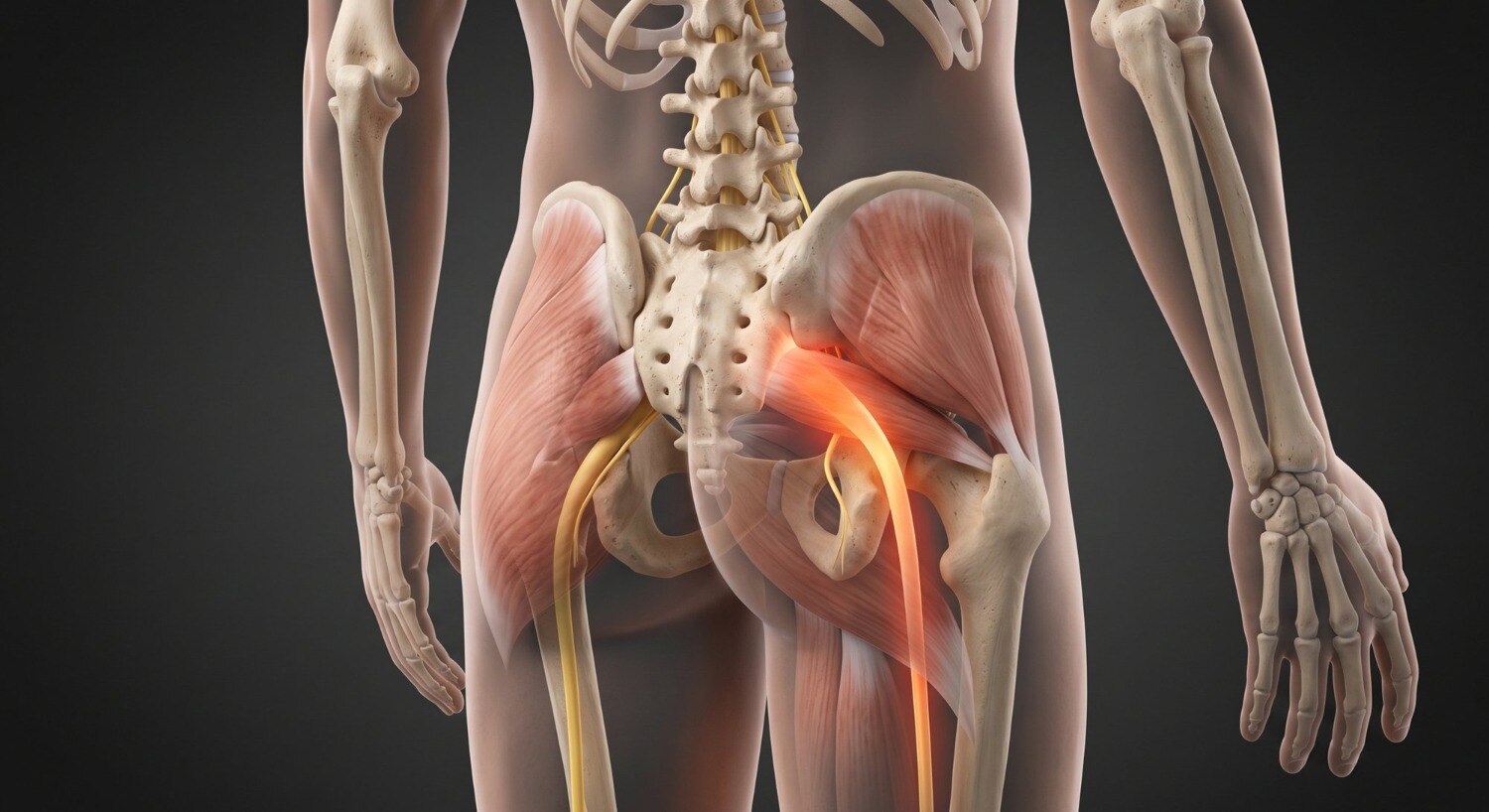
Hip pain can begin inside the joint, but it can also come from the lower back, sacroiliac region, gluteal tendons or an irritated nerve. You will be able to sort urgent symptoms from routine rehabilitation needs, understand what a proper first assessment includes, and compare local physiotherapy care using measurable standards rather than treatment labels.
Key takeaways
- Groin pain often points to the hip joint; outer-hip pain often involves gluteal tendons.
- Seek medical assessment first for severe pain, fever, trauma, numbness, or inability to bear weight.
- Expect movement tests, strength checks, and a plan matched to your pain source.
- Choose active rehabilitation with measurable exercises, progression, and clear home instructions.
Is the pain coming from your hip or somewhere else?
Start with the pain pattern, not the clinic’s treatment menu. Groin pain that worsens when you turn, squat, sit, or put on shoes points more towards the hip joint, while pain on the outer hip often involves the gluteal tendons or greater-trochanteric pain syndrome. The location is a clue, not a diagnosis.
| Pain pattern | Likely source | What to check |
|---|---|---|
| Groin or front-thigh pain | Hip joint, including osteoarthritis or labral irritation | Hip rotation, flexion, and weight-bearing |
| Outer-hip pain, tender when lying on that side | Gluteal tendon or greater-trochanteric pain syndrome | Side-lying tolerance, resisted hip abduction, and walking |
| Buttock pain with back stiffness or pain below the knee | Lumbar spine or nerve irritation | Back movements, reflexes, sensation, and leg strength |
| Pain near the back of the pelvis | Sacroiliac region or referred lumbar pain | Pelvic movement, single-leg loading, and lumbar screening |
| Pain around the knee with little hip pain | Knee problem or referred hip pain | Knee examination alongside hip testing |
A proper physiotherapy treatment for hip pain should include your history, gait observation, hip range of motion, strength testing, and tasks such as walking, stairs, or sit-to-stand. Ask for screening of the lower back and knee; treating only the painful spot can miss the source.
Seek medical assessment before routine physiotherapy if you cannot bear weight, develop fever with a hot swollen joint, have sudden severe pain, numbness or weakness, or lose bladder or bowel control.
When hip pain needs medical assessment before physiotherapy
Do not book a routine physiotherapy appointment if you cannot bear weight, have severe pain after a fall, or feel suddenly unwell. These signs need medical assessment first because a fracture, infection, nerve problem or another serious condition can worsen if treatment is delayed.
| Warning sign | What it could indicate | What to do |
|---|---|---|
| Major fall, direct impact, deformity or inability to bear weight | Hip fracture or serious injury | Seek urgent medical care; do not force movement |
| Hot, markedly swollen hip with fever or chills | Joint infection or severe inflammation | Seek same-day medical assessment |
| Numbness, new leg weakness, or loss of bladder or bowel control | Significant nerve compression | Attend emergency care immediately |
| Severe unremitting pain, pain that wakes you repeatedly, unexplained weight loss, or a cancer history | Malignancy or another systemic disease | Arrange prompt medical investigation |
Sudden severe hip pain without an obvious injury also deserves prompt review, especially when walking becomes difficult. Do not let a clinic’s treatment label decide the next step; searching for joint pain physiotherapy in pune should begin with safe triage.
A typical osteoarthritis pattern does not automatically require an X-ray. Imaging becomes useful when symptoms are unusual, another diagnosis is suspected, or the result would change management. Once serious causes are excluded, physiotherapy can assess the hip, back, gait and strength safely.
What should happen during your first physiotherapy visit?
A proper first visit identifies the pain source before treatment starts, rather than treating the spot that hurts. Your physiotherapist should ask when the pain began, its exact location, any fall or injury, stiffness, clicking, night pain, walking limits, medical history and medications.
They should also ask about back pain, numbness, weakness, and bladder or bowel changes.
Expect these checks:
- Watch your gait, pelvic control and stride while walking.
- Measure hip flexion, extension, rotation and abduction, comparing both sides.
- Test hip, knee and trunk strength, including the gluteal muscles.
- Screen the lumbar spine, sacroiliac region, knee and nerve function when symptoms could be referred.
- Observe sit-to-stand, stair climbing, single-leg balance and a squat or step-down if safe.
A physiotherapist near Vishrantwadi should record a baseline such as walking tolerance, stair ability, sit-to-stand repetitions, hip strength or a pain-and-function score. That baseline lets the clinician judge whether the home programme is working instead of repeating passive treatment without evidence.
| Examination area | Proper assessment | What goes wrong if skipped |
|---|---|---|
| Pain history | Maps groin, side, buttock and back symptoms | Referred pain may be treated as a hip injury |
| Movement | Tests hip and lumbar range of motion | Joint stiffness or nerve sensitivity stays hidden |
| Function | Measures walking, stairs and transfers | Treatment lacks a meaningful progress target |
| Strength | Compares hip, knee and trunk control | Weakness affecting gait is missed |
How treatment changes by cause, and what active rehabilitation should include
The cause determines the loading plan, not the painful spot alone. Good physiotherapy treatment for hip pain matches exercise intensity to the irritated tissue, tracks function, and changes direction if symptoms fail to improve.
| Cause | Active rehabilitation should include | Role of passive treatment |
|---|---|---|
| Osteoarthritis | Strengthening the hip and thigh, walking or cycling, sit-to-stand practice, stair work, and gradual activity progression. Add dietary support and exercise-based weight management when appropriate. | Joint mobilisation or hands-on treatment may ease movement, but never replaces therapeutic exercise. Do not rely on TENS, ultrasound or laser as the main treatment. |
| Bursitis | Reduce prolonged side-lying and painful compression, then build hip-abductor strength through pain-controlled exercises and graded walking. | Massage or gentle mobilisation can reduce short-term discomfort, but aggressive pressure over the outer hip can worsen it. |
| Gluteal-tendon pain | Use gradual isometric and strengthening exercises for the gluteal muscles, followed by step-ups, single-leg control and activity-specific loading. | Manual therapy can support comfort, but repeated friction or deep pressure over the tendon is not the rehabilitation. |
| Muscle strain | Begin with comfortable movement, then progress from isometric contractions to resistance, stretching and sport or work drills. | Ice or soft-tissue work may help symptoms briefly; neither restores strength alone. |
| Labral problems | Train hip and trunk control while avoiding painful deep flexion, twisting or pivoting. Persistent catching or locking needs medical review. | Mobilisation may improve tolerance, but it cannot repair a labral tear. |
| Post-injury stiffness | Restore hip range gradually, then rebuild strength, balance, gait and confidence under load. | Joint mobilisation can help unlock movement when paired with active practice. |
A measurable home programme is central to joint pain physiotherapy in Pune: record walking distance, stairs, sit-to-stand ability, strength and pain or function scores. Passive sessions should support progress, not become the entire plan.
How to compare hip-pain physiotherapy near Vishrantwadi
Choose the provider who can explain a working diagnosis, not the clinic with the most impressive treatment label. Ask any physiotherapist near Vishrantwadi:
- What examination supports your hypothesis, and did you assess my hip movement, strength, gait, lower back and functional tasks?
- Which home exercises should I do, how many repetitions, and what symptom response means I should reduce or stop?
- Which measure will we track: walking distance, stair performance, sit-to-stand repetitions, hip strength, or a pain and function score?
- When will you review progress, and what happens if the measures stop improving?
- What findings would lead to a doctor’s review, X-ray, MRI or another medical assessment?
| Provider approach | What it should include | Warning sign |
|---|---|---|
| Assessment first | History, movement tests, strength testing and referred-pain screening | Diagnosis based only on where you point |
| Exercise-led care | A written home programme that is progressed as capacity improves | Passive treatment with no measurable practice |
| Referral planning | Clear triggers for imaging or medical review | Guaranteed cure or permanent correction in one session |
For someone searching “best physiotherapy for hip pain near vishrantwadi in pune,” compare the assessment and follow-up process rather than choosing by proximity alone. Ask Dr Renukas Physiotherapy center these same questions, then judge whether its plan addresses your findings, gives you measurable home work and includes a referral pathway if recovery stalls.
Frequently asked questions
How can you tell whether pain comes from the hip or somewhere else?
Groin pain that worsens with turning, squatting, sitting, or putting on shoes points more toward the hip joint. Outer-hip pain often involves the gluteal tendons or greater-trochanteric pain syndrome. Pain in the lower back, buttock, or leg can also refer to the hip area, so location alone does not confirm the diagnosis.
When should hip pain be assessed by a doctor before physiotherapy?
Seek medical assessment before physiotherapy after a significant fall or injury, when you cannot bear weight, or when pain comes with fever, unexplained weight loss, severe night pain, progressive weakness, numbness, or loss of bladder or bowel control.
What happens during a first physiotherapy visit for hip pain?
The physiotherapist reviews your symptoms, injury history, daily limitations, and medical conditions, then checks hip and nearby spine movement, strength, walking, balance, and pain-provoking tasks. The findings guide an individual treatment and exercise plan.
What should active rehabilitation for hip pain include?
Treatment should match the cause and may include education, load modification, manual techniques when useful, and progressive exercises for hip strength, mobility, balance, and function. Your plan should include clear home instructions and progression criteria.
How should you compare hip-pain physiotherapy near Vishrantwadi?
Ask how the clinic assesses the pain source, measures progress, adapts exercises, explains expected timelines, and handles warning signs. Prefer a physiotherapist who combines symptom relief with progressive rehabilitation rather than relying only on passive treatments.
Keywords