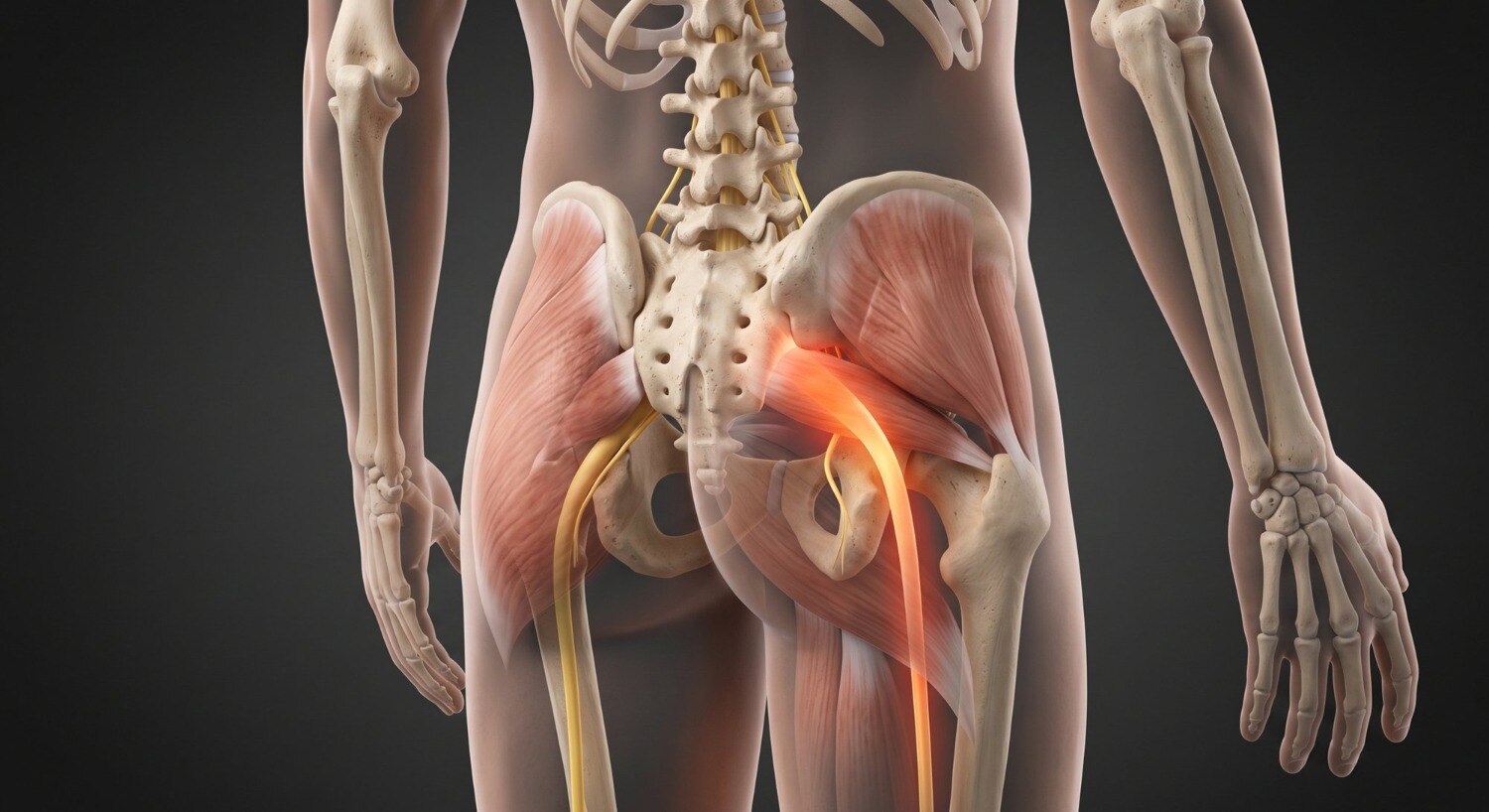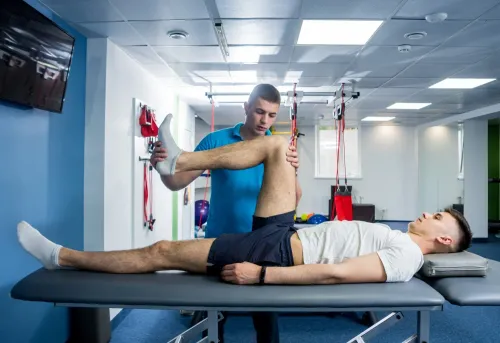

Nighttime tingling, numbness in the thumb-side fingers and a weaker grip do not automatically prove carpal tunnel syndrome. You will learn how to separate it from neck, nerve, tendon and joint problems, what a useful physiotherapy plan includes, and when testing, injection or surgery deserves consideration.
Key takeaways
- Little-finger sparing supports carpal tunnel; neck or elbow symptoms need separate assessment.
- Ask for grip, sensation, wrist movement and nerve-irritation testing during assessment.
- Use a neutral-wrist night splint and adjust cycling, typing or lifting positions.
- Compare physiotherapy with medication, injections and surgery based on severity and progress.
Does your symptom pattern fit carpal tunnel syndrome?
Numbness or tingling in the thumb, index finger, middle finger and thumb-side half of the ring finger points towards carpal tunnel syndrome, especially when it wakes you at night or appears while driving, cycling, typing or holding a flexed wrist. The little finger is usually spared.
Start with diagnostic screening before choosing exercises or booking hand pain physiotherapy in Anandi.
- Carpal tunnel: burning, tingling, numbness or aching in the median-nerve fingers; shaking the hand may briefly help.
- Neck radiculopathy: neck pain, shoulder or arm symptoms, with altered sensation that follows a broader line into the hand.
- Ulnar-nerve compression: symptoms centred on the little finger and little-finger side of the ring finger.
- Thumb arthritis or tendon irritation: pain localised near the thumb joint or wrist, worsened by gripping, pinching or movement, without persistent finger tingling.
- Sports injury: swelling, bruising, tenderness or sudden loss of movement after a fall, impact or forceful load.
Arrange prompt medical assessment for constant numbness, worsening weakness, dropping objects, severe loss of grip or dexterity, visible hollowing at the base of the thumb, or difficulty opposing the thumb to the fingers.
Symptoms outside a median-nerve pattern also need review because diabetes-related neuropathy, proximal nerve compression and cervical problems can mimic or coexist with carpal tunnel syndrome. Improvement in pain alone is not enough if numbness or thumb strength is deteriorating.
What happens during a carpal tunnel physiotherapy assessment?
A physiotherapist confirms a working diagnosis by matching your symptom pattern with examination findings, then checking for problems outside the wrist. No single provocative test proves carpal tunnel syndrome.
The assessment usually includes:
- A symptom history: nighttime tingling, numbness or pain in the thumb, index, middle and thumb-side of the ring finger; dropping objects; and symptoms triggered by driving, cycling, typing or sustained wrist flexion.
- Sensory testing, grip strength and pinch strength, including comparison with the other hand.
- Wrist tests such as Phalen’s test and Tinel’s sign, interpreted alongside your symptoms rather than treated as standalone answers.
- Neck and upper-limb examination to check for cervical radiculopathy or compression higher along the median nerve.
- Screening for ulnar-nerve symptoms, thumb arthritis, tendon irritation, sports injury and diabetes-related neuropathy.
Ask for medical review if numbness is constant, weakness is progressing, the thumb muscles look wasted, thumb opposition is failing, hand function has sharply declined, or symptoms do not follow a median-nerve pattern. These findings can signal advanced compression or another diagnosis.
Nerve-conduction testing is useful when the diagnosis is uncertain, symptoms are severe, surgery is under consideration, or a baseline severity measure is needed. It is not routine for every typical case, and a normal result does not completely exclude mild or intermittent symptoms.
What should physiotherapy look like for an active adult?
Complete rest is rarely necessary. Reduce the specific load that provokes tingling—sustained gripping, high-vibration tools, repeated wrist bending and prolonged pressure on the palm—while keeping work, training and sport at a level that does not reproduce or prolong symptoms.
A practical programme may include:
- A neutral-position wrist splint at night, fitted loosely enough to avoid swelling, colour change, finger stiffness or increased tingling. Wearing it all day is not automatically better.
- Gentle tendon-gliding and median-nerve-gliding exercises, followed by forearm and hand strengthening as symptoms settle. Stop any exercise that causes persistent burning, tingling or worse night symptoms; aggressive stretching into numbness is a mistake.
- Ergonomic changes such as a larger tool handle, reduced vibration, frequent grip breaks and a keyboard or handle position that keeps the wrist near neutral.
- A staged return to heavier gripping, cycling, racquet sports, climbing or weight training, increasing one variable at a time.
| Activity | Reduce aggravating load | Keep doing | Progress when |
|---|---|---|---|
| Work | Forceful gripping, vibration and bent-wrist tasks | Light duties with breaks | Numbness is less frequent and grip remains reliable |
| Exercise | Heavy wrist loading and prolonged palm pressure | Lower-load legs, cardio and pain-free upper-body work | Training causes no lasting symptoms |
| Sport | Repeated impact, gripping or wrist flexion | Modified drills and shorter sessions | No night flare or next-day deterioration |
Track night waking, tingling pattern, grip or pinch function and tolerance of work and sport. Pregnancy, diabetes, thyroid disease and inflammatory arthritis can alter the plan, so worsening numbness or thumb weakness warrants review rather than more exercises.
How does physiotherapy compare with splints, medication, injections and surgery?
Conservative physiotherapy is reasonable when symptoms are mild or moderate, strength is preserved, and numbness is not progressively worsening. For carpal tunnel treatment in Anandi, combine temporary reduction of gripping, vibration, repeated wrist bending and palm pressure with a neutral-position night splint; complete rest is rarely necessary.
| Option | Main benefit | When it applies |
|---|---|---|
| Physiotherapy | Reduces aggravating load and restores tolerance through graded exercise, ergonomic changes and nerve or tendon gliding | First choice when symptoms are intermittent and function remains stable |
| Night splint | Limits wrist flexion and extension during sleep | Useful for night tingling; loosen it if fingers swell, change colour, stiffen or tingle more |
| Medication | Anti-inflammatory or pain-relieving drugs can reduce discomfort but do not create more space for the median nerve | Short-term symptom control after checking stomach, kidney, blood-pressure and other risks with a clinician |
| Corticosteroid injection | Can provide faster, temporary relief | Consider when symptoms disrupt sleep or work despite splinting, or while deciding on longer-term treatment |
| Surgery | Carpal-tunnel release gives durable decompression in suitable cases | Seek a surgical opinion for severe nerve-conduction abnormalities, persistent weakness, thenar wasting or failed conservative care |
Do not judge success by pain alone: track night waking, tingling distribution, grip and pinch, dexterity, work and training tolerance, sensation and thumb strength. Diabetes, thyroid disease, pregnancy, inflammatory arthritis and forceful work can alter recovery, so persistent or worsening deficits need medical review rather than repeated exercise adjustments.
How do you judge the best carpal tunnel plan in Anandi?
Accept a plan only if it explains what will be measured, what will change, and when progress will be reviewed. The best physiotherapy for carpal tunnel in Anandi is not a fixed exercise sheet for everyone.
1. Ask the provider to record nighttime waking, tingling frequency, affected fingers, grip and pinch strength, dexterity, sensation, and tolerance of work, driving, cycling and training. Pain alone is an incomplete result.
2. Ask whether they have screened your neck, shoulder and ulnar nerve, and considered diabetes, thyroid disease, pregnancy, inflammatory arthritis, obesity, thumb arthritis and previous injury. Request medical review or nerve-conduction testing if weakness, thenar wasting, widespread symptoms or diagnostic uncertainty exists.
3. Describe your actual loads: forceful gripping, vibrating tools, cycling handlebars, weight training, typing and repeated wrist bending. The plan should reduce the aggravating load temporarily, not impose complete rest; lower-load exercise can continue when it does not reproduce or prolong numbness.
4. Agree on a review date, commonly after a short trial of the recommended changes and night splint. Check that the splint keeps the wrist neutral without swelling, colour change, stiffness or increased tingling.
5. Ask what triggers escalation. Worsening numbness, dropping objects, objective weakness or no meaningful improvement after a well-performed conservative trial warrants medical or surgical discussion.
At Dr Renukas Physiotherapy center, these questions help you judge whether the proposed care is being individualised and measured rather than sold as a universal protocol.
Frequently asked questions
Does your symptom pattern fit carpal tunnel syndrome?
Carpal tunnel symptoms usually affect the thumb, index finger, middle finger and thumb-side half of the ring finger. Night-time symptoms and tingling during driving, cycling, typing or wrist flexion support the pattern, while a spared little finger is typical.
What happens during a carpal tunnel physiotherapy assessment?
The assessment reviews symptom location, timing and triggers, then examines sensation, grip strength, wrist movement and nerve irritation. The physiotherapist also checks the neck, shoulder and elbow when symptoms do not match isolated carpal tunnel syndrome.
What should physiotherapy look like for an active adult?
A plan should address wrist position, cycling or typing technique, load management, nerve and tendon mobility, strength and a gradual return to training. Progress should be judged by reduced night waking, improved sensation and better tolerance of activities.
How does physiotherapy compare with splints, medication, injections and surgery?
A neutral-wrist splint can reduce night symptoms, while medication may ease pain without correcting contributing loads. Injections can provide temporary relief, and surgery is considered when symptoms are severe, nerve tests show significant compression or conservative care fails.
How do you judge the best carpal tunnel plan in Anandi?
Choose a plan that confirms the diagnosis, sets measurable goals, adapts treatment to your activities and explains when referral or nerve testing is needed. Track night symptoms, numbness, grip and activity tolerance rather than relying only on short-term pain relief.
Keywords