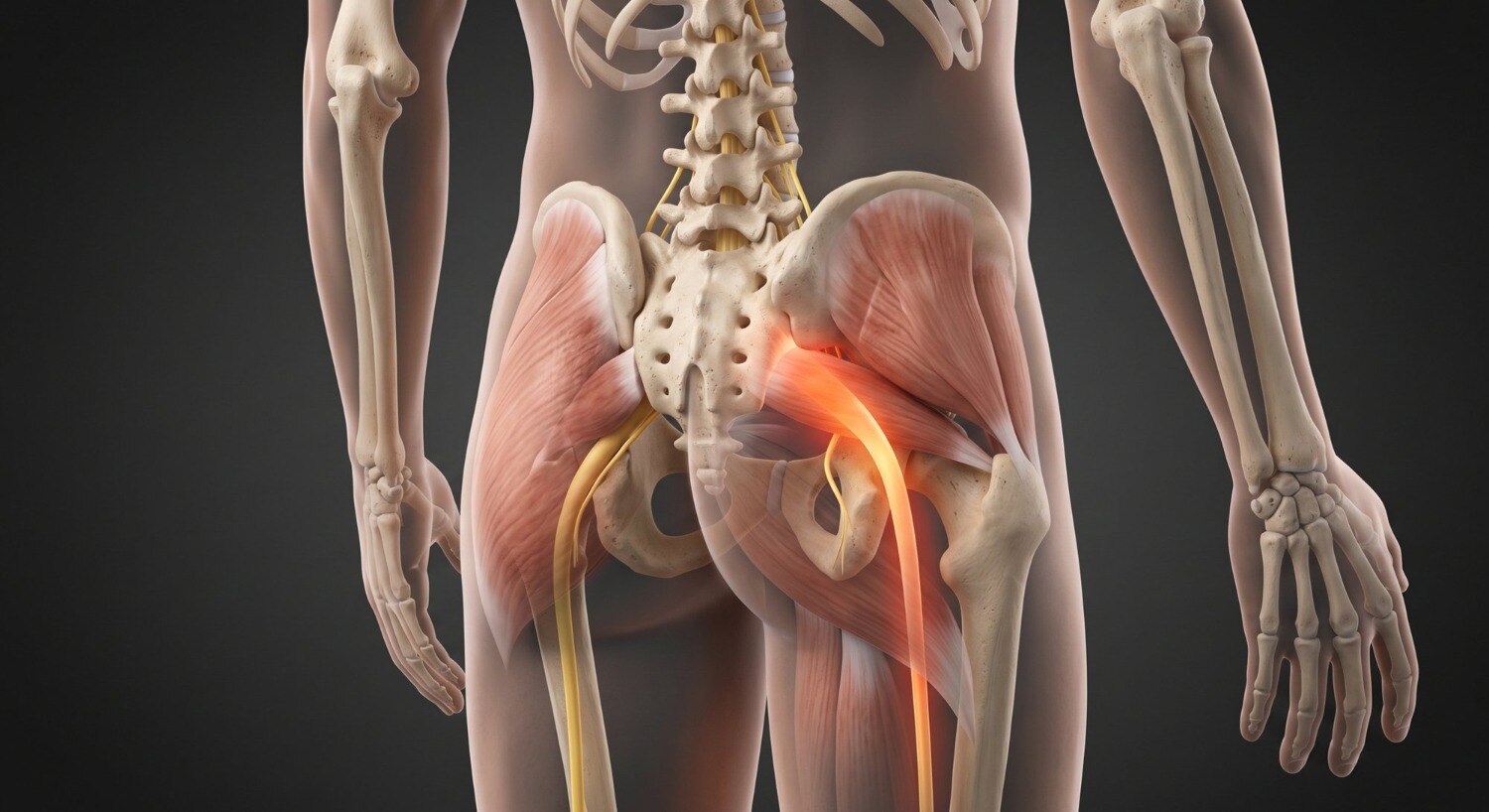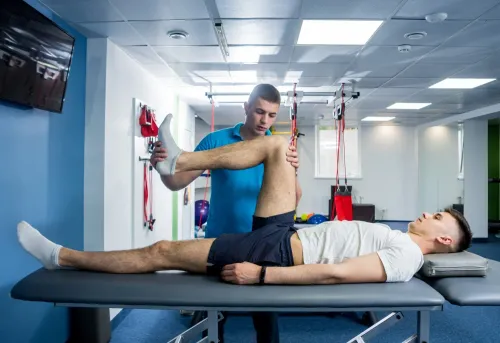

Rheumatic arthritis is commonly used to describe rheumatoid arthritis, but it is not the same as osteoarthritis, and the distinction changes both medical care and exercise planning. You will learn what a safe physiotherapy assessment covers, how treatment changes during a flare, and how to compare outpatient options in Pune.
Key takeaways
- Confirm whether your diagnosis is rheumatoid arthritis or osteoarthritis before choosing exercises.
- During a flare, prioritise inflammation control, joint protection and gentle movement.
- Stable phases allow progressive strengthening, mobility work and daily-function training.
- Choose a Pune clinic that coordinates physiotherapy with your rheumatology care.
Rheumatic Arthritis or Osteoarthritis: Which Diagnosis Guides Physiotherapy?
The diagnosis determines whether physiotherapy should calm inflammation, protect damaged joints or correct mechanical overload. “Rheumatic arthritis” is not a precise modern diagnosis; patients usually use it to mean rheumatoid arthritis (RA), an autoimmune disease that needs medical control.
| Condition | What it means | Physiotherapy implication |
|---|---|---|
| Rheumatoid arthritis | Immune-driven inflammation, often affecting several joints symmetrically | Coordinate exercise with a rheumatologist and adapt the plan to disease activity |
| Rheumatic arthritis | An imprecise term that may mean RA or another rheumatic condition | Confirm the medical diagnosis before choosing treatment |
| Osteoarthritis | Wear-related joint and cartilage changes, usually linked to load and movement | Build strength, mobility and function around the affected joint |
Arrange a physician or rheumatologist review before starting a structured programme if you have prolonged morning stiffness, multiple swollen joints, unexplained fatigue or rapidly worsening function. RA needs timely disease-modifying antirheumatic drugs (DMARDs); physiotherapy reduces disability but cannot replace them.
Seek urgent medical care for a hot, very swollen joint with fever or feeling acutely unwell. Septic arthritis must be excluded before routine treatment.
Ask the clinic how it will measure range of motion, strength, walking or hand function, fatigue and next-day symptoms. The best physiotherapy for rheumatic arthritis what treatment includes in pune should mean diagnosis-specific education, pacing, joint protection, active movement, progressive strengthening and a reviewed home programme—not only heat, massage or passive machines.
What Happens During a Rheumatoid Arthritis Physiotherapy Assessment?
An exercise plan should follow documented findings, not a generic arthritis routine. Ask for these physiotherapy treatment details before treatment begins:
1. Symptom history: record which joints hurt or swell, morning-stiffness duration, fatigue, flare triggers, night pain and next-day response to activity. Note recent changes and activities you can no longer complete.
2. Medical status: document the confirmed diagnosis, rheumatologist’s advice, current DMARDs, corticosteroids, analgesics and other medicines. Physiotherapy does not replace medical treatment, and medication changes belong to your prescribing clinician.
3. Joint and muscle findings: measure active range of motion, swelling, tenderness, deformity, muscle strength and movement quality. For hand or wrist disease, include grip, pinch, tendon symptoms, nerve symptoms and tasks such as writing, cooking or opening containers.
4. Function and safety: assess walking, stairs, balance, gait, transfers, work demands and daily activities. Record fatigue, falls risk and any sign that a hot, markedly swollen joint or unexplained symptom needs medical review before exercise.
5. The proposed plan: define the starting dose for mobility work, strengthening, aerobic conditioning or splint use, plus pacing, joint protection and home exercises. Set measurable outcomes, such as walking time, grip function or range of motion, and specify when the plan will be reviewed.
For anyone comparing rheumatic arthritis physiotherapy in Pune, ask how the clinic handles flares, coordinates with a rheumatologist and adjusts exercise after next-day symptoms. A splint should be individually assessed, not bought and worn continuously without review.
How Treatment Changes During a Flare and a Stable Phase
Hot, visibly swollen joints with severe arthritis joint pain require a reduction in exercise load, not a push through pain. A hot, very swollen joint with fever or feeling acutely unwell needs urgent medical assessment to exclude septic arthritis. Physiotherapy should not delay rheumatology review or disease-modifying antirheumatic drug (DMARD) treatment.
| Phase | What physiotherapy does | What you should notice |
|---|---|---|
| Flare | Protects the irritated joint with relative rest, gentle range-of-motion work and short, easy movement sessions; the therapist coordinates changes with your rheumatologist. | Less swelling and pain without complete immobilisation, which can worsen stiffness, muscle loss and function. |
| Stable | Progresses strengthening, aerobic conditioning, balance and task practice according to your goals, joint status and medication response. | Better walking, stairs, hand use or household activity without a delayed symptom spike. |
Fatigue changes the dose as much as joint pain does. Use shorter sessions, planned rests and pacing during a flare; do not treat exhaustion as a lack of effort.
Judge the programme by your response later that day and the next morning. If swelling, pain, stiffness or fatigue is clearly worse the next day, reduce repetitions, resistance or session length and tell the physiotherapist. Stable rheumatoid arthritis is not a reason to exercise through new heat, swelling or rapidly worsening function.
Reassessment keeps the plan matched to disease activity.
Exercises, Joint Protection and Daily-Function Training
A useful programme combines joint movement, progressive strengthening, stamina work and practice of tasks you need at home or work. The dose must match inflammation, fatigue, joint stability and next-day symptoms; passive heat, massage or machines alone do not build lasting function.
| Joint area | Movement and strength work | Daily-function training |
|---|---|---|
| Hand and wrist | Active range-of-motion, selected grip and pinch exercises, tendon gliding | Opening containers, writing, keyboard use and load distribution; use a hand therapist for a fitted splint |
| Shoulder | Gentle range work, rotator-cuff and shoulder-blade strengthening | Dressing, reaching shelves and carrying with both hands |
| Hip and knee | Sit-to-stand, step-ups, leg strengthening and walking progression | Stairs, transfers, squatting alternatives and walking tolerance |
| Ankle and foot | Ankle movement, calf strengthening, balance and gait practice | Uneven-ground walking, footwear choices and safe transfers |
For arthritis joint pain, strengthening should progress gradually rather than stop at the first sign of discomfort. Aerobic conditioning, such as walking, cycling or water exercise, improves stamina; balance training reduces movement fear and supports safer walking.
Ask for physiotherapy treatment details that include a home-exercise programme, pacing rules, joint-protection advice and a review date. Stop increasing exercise and seek medical advice for a hot, visibly swollen joint, fever, rapidly worsening function or severe fatigue. A rheumatologist’s treatment, including disease-modifying medication when prescribed, remains essential.
How to Choose Rheumatic Arthritis Physiotherapy in Pune
Ask whether the physiotherapist routinely treats inflammatory arthritis, not only mechanical knee or back pain. A search for “rheumatic arthritis treatment Vishrantwadi” or “rheumatic arthritis physiotherapy in Pune” should lead to a plan that records swollen joints, morning stiffness, fatigue, current medicines and functional goals.
| Clinic approach | What to confirm | Warning sign |
|---|---|---|
| Inflammatory-arthritis plan | Flare instructions, joint protection, graded strengthening, aerobic exercise and review dates | Heat, massage or machines offered without reassessment |
| Medical coordination | Communication with your rheumatologist or physician, including medication changes and urgent referral criteria | Physiotherapy presented as a substitute for DMARDs |
| Hand and wrist care | Grip, pinch, tendon, nerve, deformity and work-task assessment; splint fitted and reviewed individually | Continuous splint use or generic hand exercises |
| Outcome tracking | Measures such as walking tolerance, grip function, range of motion, fatigue and daily tasks | “Best physiotherapy for rheumatic arthritis what treatment includes in Pune” reduced to pain relief alone |
Ask these questions before booking:
- How will you modify exercises during a flare, and what next-day symptoms mean the dose was too high?
- Who reviews fever, rapidly worsening function, several hot swollen joints or severe fatigue?
- What home programme will I receive, and when will you progress it?
- How often will you reassess and record outcomes?
Dr Renukas Physiotherapy center should be judged by these specifics, not by a general joint-pain label.
Frequently asked questions
How does rheumatoid arthritis differ from osteoarthritis for physiotherapy?
Rheumatoid arthritis is an autoimmune disease that requires medical inflammation control, while osteoarthritis involves mechanical joint wear and overload. The diagnosis guides exercise intensity, joint protection and treatment goals.
What happens during a rheumatoid arthritis physiotherapy assessment?
The physiotherapist reviews your diagnosis, symptoms, flare pattern, medication and daily limitations. They assess pain, swelling, joint movement, muscle strength, walking and hand function before setting a treatment plan.
How does physiotherapy change during a rheumatoid arthritis flare?
During a flare, treatment focuses on reducing strain, protecting painful joints and maintaining gentle movement. Heavy strengthening and exercises that increase swelling are paused until symptoms settle.
What exercises and training help with rheumatoid arthritis?
A plan can include gentle range-of-motion exercises, progressive strengthening during stable phases, joint-protection methods, posture and walking practice, and training for tasks such as dressing, gripping and climbing stairs.
How should you choose rheumatoid arthritis physiotherapy in Pune?
Choose a clinic that evaluates your individual joints and function, adapts treatment between flare and stable phases, explains home exercises clearly and coordinates care with your rheumatologist.
Keywords