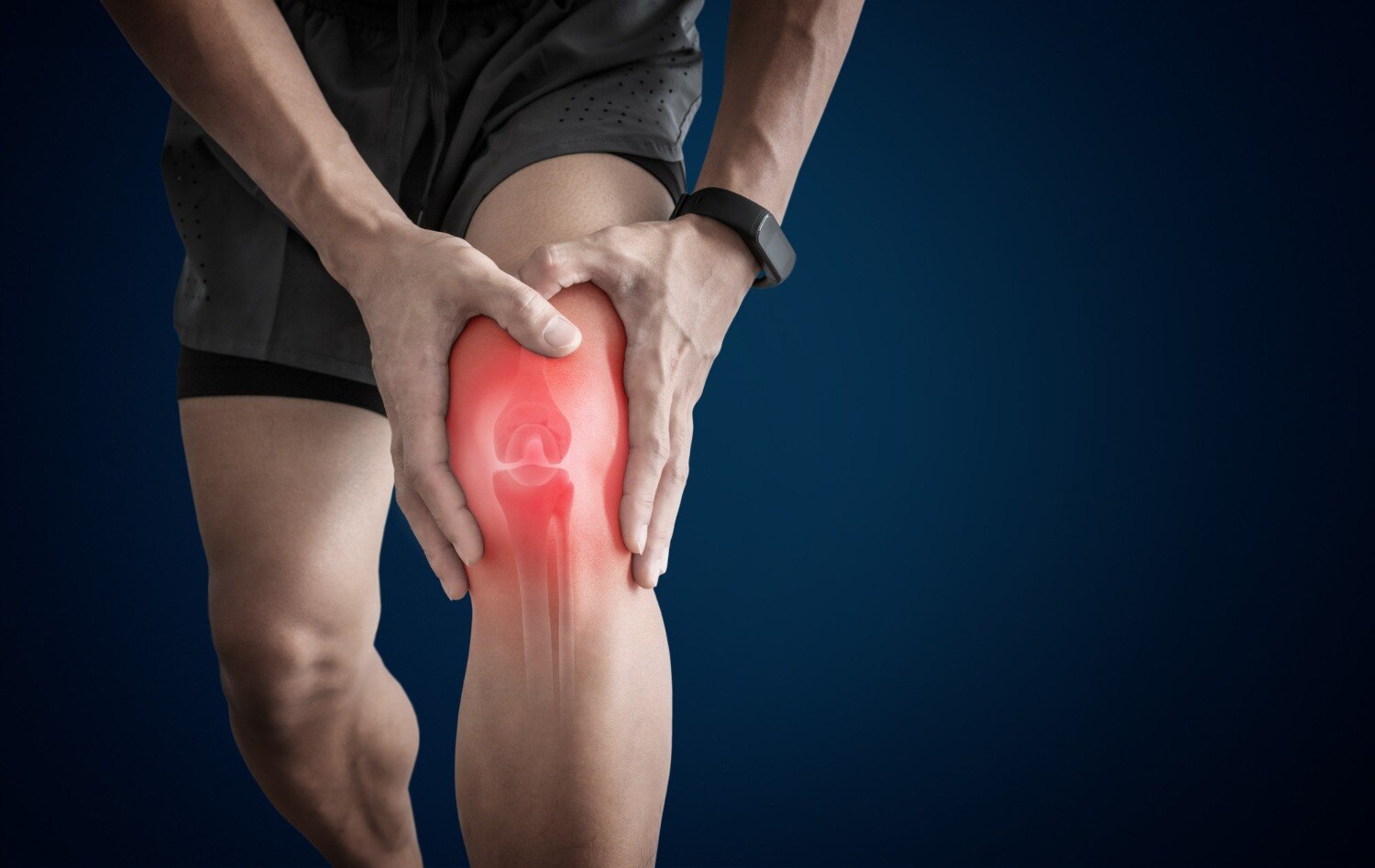
Rainy weather, damp clothing, cooler temperatures and reduced outdoor activity can make a joint feel stiffer, but they do not identify the cause of pain. You will learn how to separate weather-associated discomfort from injury or illness, follow a safe home routine, respond to a slip, and decide when an assessment is needed.
Key takeaways
- Gentle movement that eases stiffness supports a daily monsoon routine.
- Seek assessment for swelling, weakness, injury, fever or persistent worsening pain.
- Keep knees, ankles, shoulders, backs and wrists warm, supported and moving.
- Track pain, function and recovery to judge whether treatment is working.
Is the pain weather-related stiffness or a condition needing assessment?
Rain, humidity, cooler temperatures and less outdoor activity can make joints feel stiffer. Changes in activity, muscle tension and pain sensitivity may explain this experience; evidence that falling pressure or humidity directly damages joints is weak and inconsistent. Weather-related stiffness usually eases after gentle movement and does not by itself identify the cause.
Seek assessment instead of assuming ordinary monsoon pain if you have:
- A recent fall, twist, impact, sudden loss of movement or inability to bear weight.
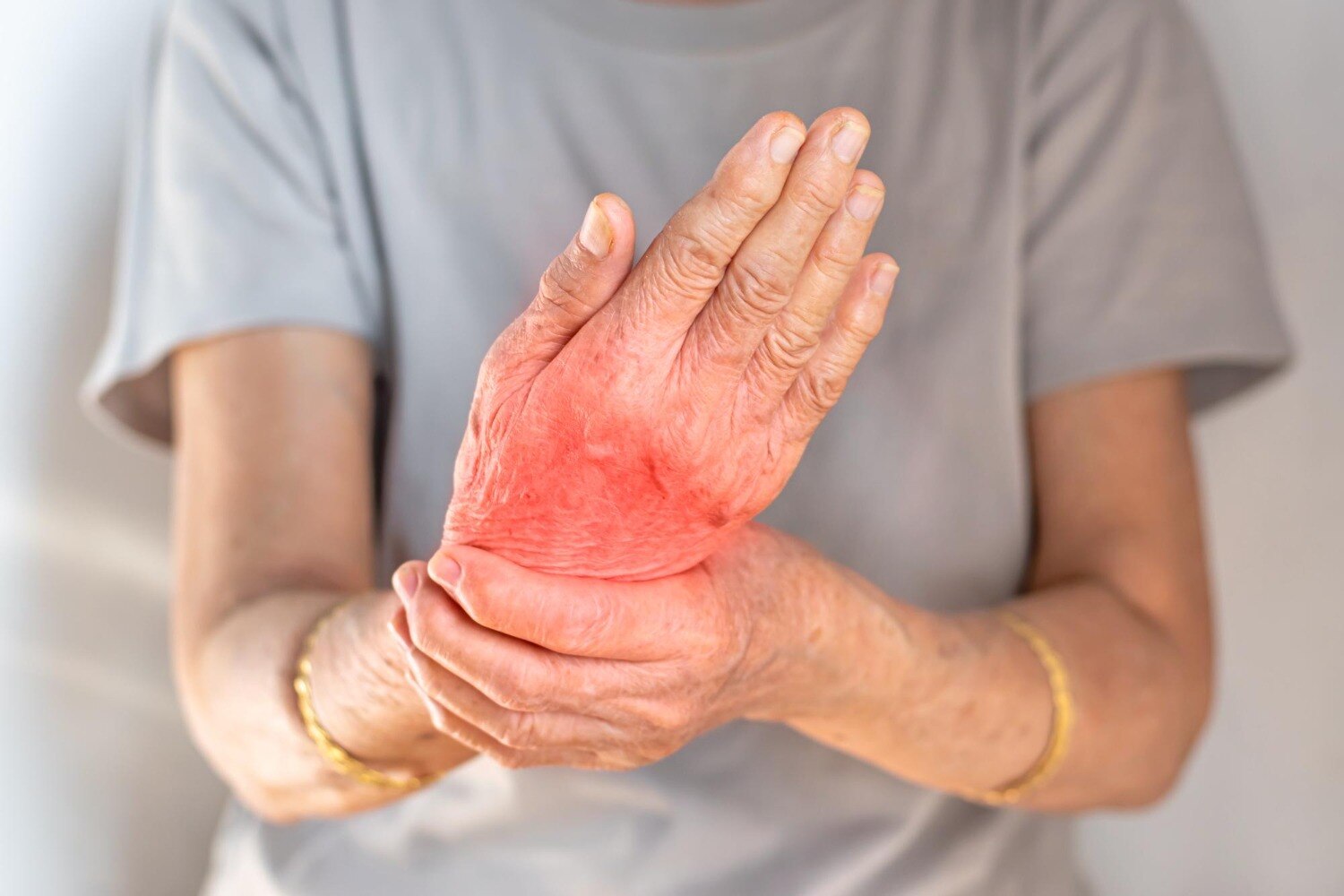
- Persistent swelling, warmth, or stiffness lasting a long time after waking, especially in several joints; this can indicate inflammatory arthritis.
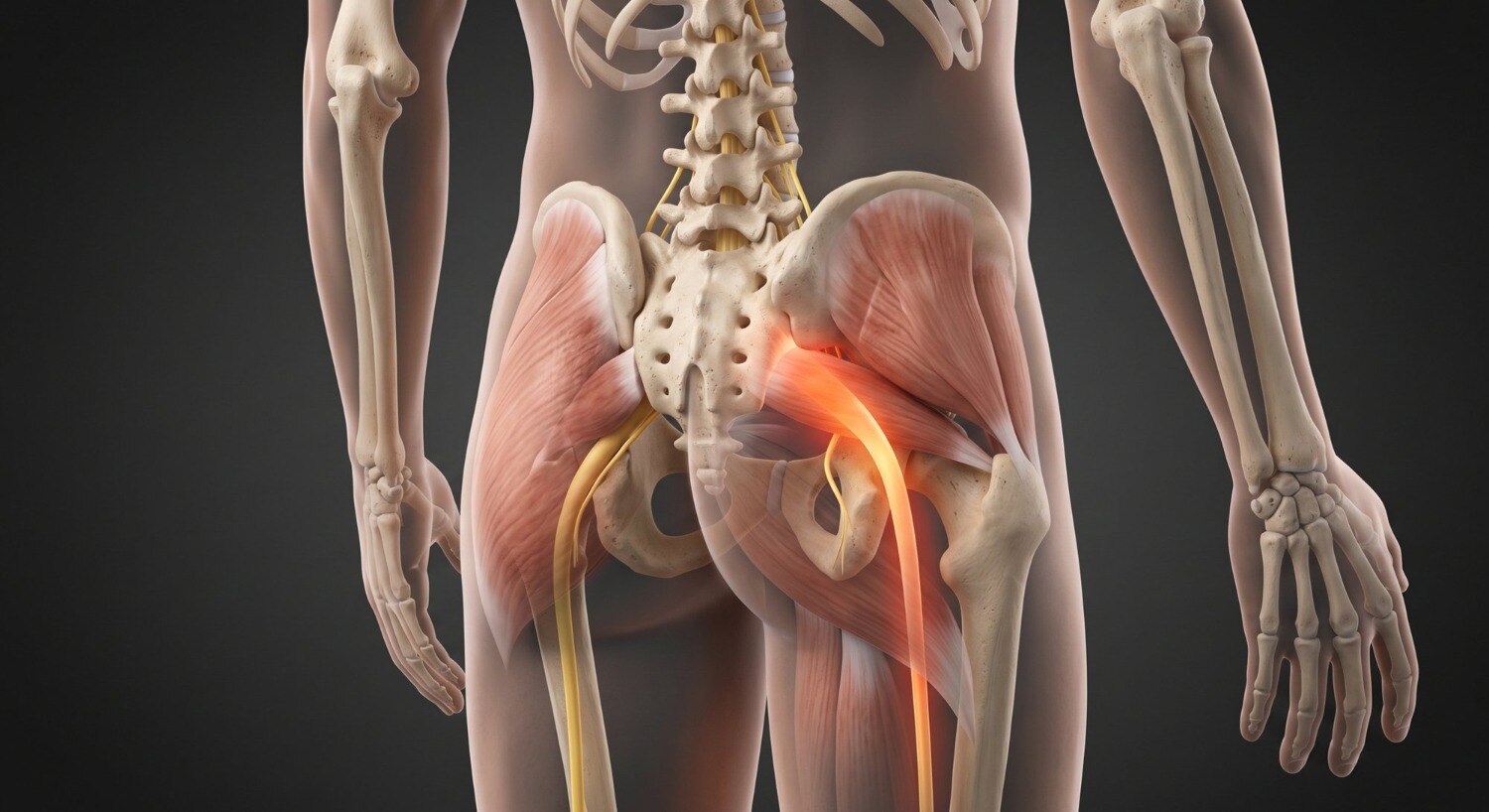
- Burning pain, pins and needles, numbness, electric-shock sensations or weakness travelling down an arm or leg; these signs suggest nerve involvement.
- A hot, intensely painful, rapidly swollen joint with fever or feeling acutely unwell; septic arthritis needs urgent medical evaluation.
- Pain that keeps worsening, wakes you repeatedly, or fails to improve with sensible activity changes.
A clinician evaluating monsoon joint pain physiotherapy for Tinge Nagar Dhanori should identify the painful joint, review injury and medication history, and check swelling, warmth, range of motion, strength, gait and daily function. Osteoarthritis, tendon injury, inflammatory arthritis and infection require different care.
Exercise-based rehabilitation often forms the core of monsoon joint pain treatment; massage or routine electrotherapy should not replace diagnosis and progressive strengthening.
What should your daily monsoon joint-pain routine include?
Begin with five minutes of gentle movement indoors, not a long period of bed rest. This raises temperature after damp weather and prepares the joint for loading. Stop and seek assessment for a new, hot, rapidly swollen joint, fever or feeling acutely unwell.
- Warm up with easy walking, marching on the spot or cycling for 5–10 minutes. Keep the pace comfortable; do not force a painful range.
- Restore mobility with controlled heel slides, knee bends, ankle circles, shoulder movements or back rotations suited to your affected area. Perform 8–10 repetitions without bouncing.
- Strengthen next. Use sit-to-stands, supported calf raises, wall push-ups or resistance-band exercises for 1–3 sets of 8–12 repetitions. A joint pain physiotherapy Dhanori plan should adjust resistance and repetitions to your strength, swelling and function.
- Add 10–20 minutes of indoor walking, stationary cycling or another low-impact activity. Choose a dry, uncluttered surface and supportive footwear.
- Take a 2–5-minute movement break after each 20–30 minutes of activity. Rest briefly between sets, but avoid spending the day inactive; prolonged rest reduces strength and makes stiffness harder to reverse.
- Progress one factor at a time each week: add repetitions, then resistance, time or walking speed. Reduce the latest increase if pain remains clearly worse the next morning.
This graded routine keeps exercise central to monsoon joint pain treatment. A clinician should review unexplained swelling or worsening function before you continue loading.
How should you protect the knee, ankle, shoulder, back and wrist?
Protect each area by keeping it moving within comfort, reducing load during a flare, and treating a wet-floor fall as a possible injury. A plan for monsoon joint pain physiotherapy for Tinge Nagar Dhanori should begin with an assessment of swelling, warmth, movement, strength, gait, medicines and medical conditions—not assume dampness is the cause.
| Area | Helpful movement | Reduce during a painful flare |
|---|---|---|
| Knee | Short, level walks; seated knee bends; gradual quadriceps strengthening | Deep squats, kneeling, repeated stairs and sudden pivots |
| Ankle | Ankle circles, gentle calf stretches and supported balance work | Uneven wet roads, running, jumping and walking without stable footwear |
| Shoulder | Pendulum movements and pain-free wall slides | Overhead lifting, forceful stretching and carrying weight away from the body |
| Back | Frequent easy walking, pelvic movements and supported hip mobility | Long bed rest, heavy lifting, twisting while bent and low soft seating |
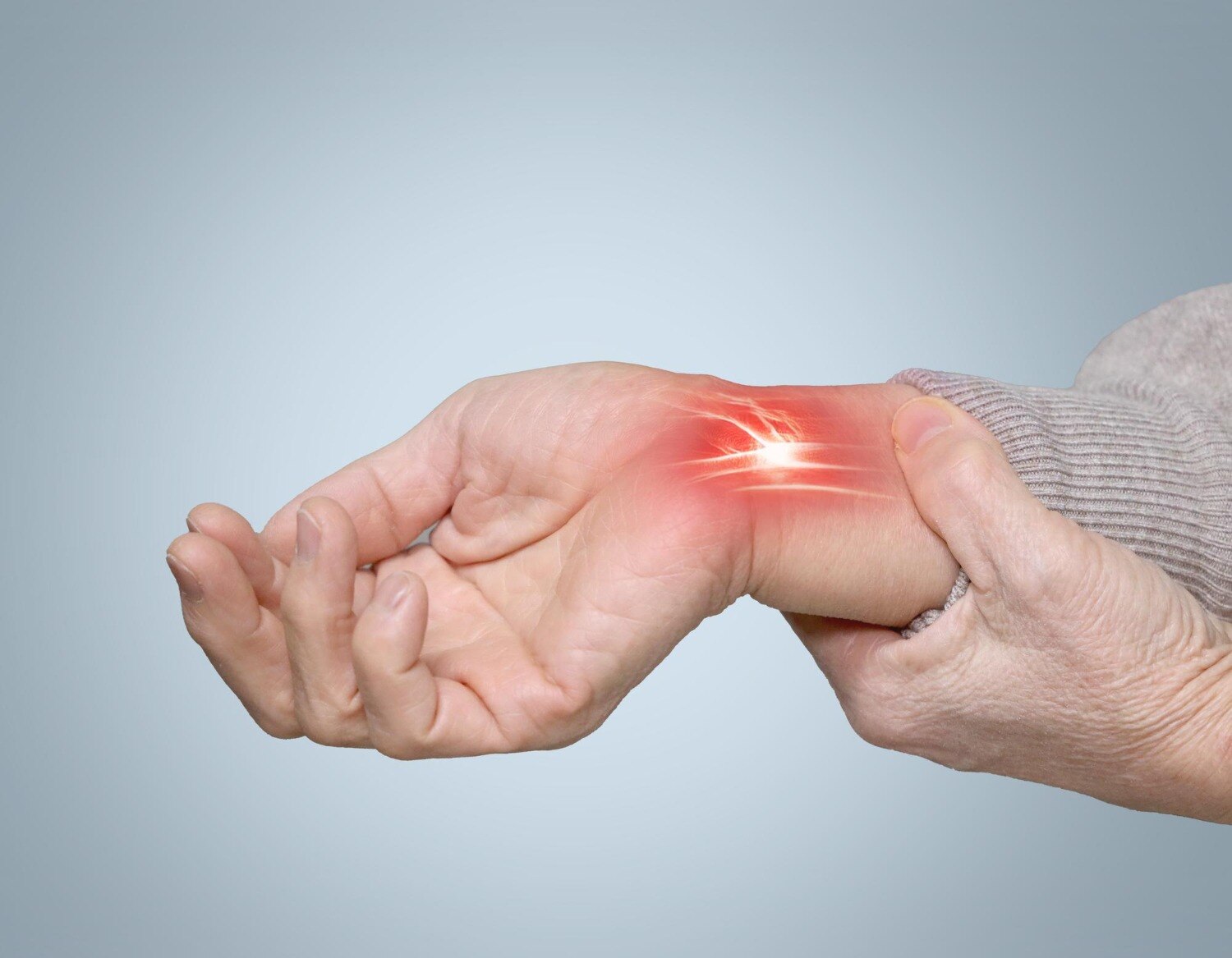
| Wrist | Gentle flexion, extension and grip-release movements | Tight gripping, wringing wet clothes and lifting with a bent wrist |
After slipping, stop walking, sit safely, check for deformity or numbness, and use a wrapped cold pack for 15–20 minutes if swelling develops. Do not massage, apply strong heat or repeatedly test a painful joint.
Seek urgent care for inability to bear weight, a visibly deformed limb, severe or escalating pain, loss of sensation, a head or neck injury, or rapidly increasing swelling.
A hot, very painful joint with fever or feeling acutely unwell needs immediate medical assessment; persistent warmth, swelling or prolonged morning stiffness also needs review rather than repeated self-treatment.
What happens during a physiotherapy assessment in Dhanori?
A joint pain physiotherapy Dhanori assessment begins by identifying the painful joint and testing whether the problem fits weather-related stiffness, injury, arthritis, nerve irritation or another condition. Monsoon joint pain treatment should not start with a standard package when swelling or warmth is new or unexplained.
1. The clinician asks when the pain began, what worsens or eases it, and whether you slipped, increased exercise or changed your routine. Tell them about swelling, warmth, redness, morning stiffness, numbness, fever, previous injuries, current medicines, diabetes, thyroid disease, arthritis and other medical conditions.
2. They inspect the joint and compare both sides. They measure active and passive movement, flexibility, muscle strength, tenderness and swelling, then watch how you stand, walk, use stairs, rise from a chair or perform the task that matters to you.
3. They use these findings to set a starting load and choose the treatment. The plan might include progressive strengthening, mobility or aerobic exercise, balance training, activity education and a home programme. Manual joint mobilisation or soft-tissue work can help you move or settle short-term symptoms, but it should support exercise rather than replace it.
4. Ask how progress will be measured and what pain response is acceptable during loading. Dr Renukas Physiotherapy center can use this assessment approach to distinguish a need for guided rehabilitation from a case requiring medical review.
Persistent warmth or swelling in several joints, prolonged morning stiffness, fever or worsening function needs medical assessment rather than repeated self-treatment.
Related services
all types of joint pain ₹600 we give holistic Treatment for spondylysis, neck pain Back pain, shoulder pain, tennis elbow, sciatica, knee pain, ankle sprain, sports... View service → |
General Appointment ₹600 General Appointment |
How do you manage symptoms and judge whether the plan is working?
Judge progress by function, not by whether damp weather causes a pain-free day. Home loading should include the prescribed mobility and strengthening exercises, with walking or indoor aerobic activity adjusted to symptoms; brief discomfort during loading is not automatic evidence of damage.
Progress when you complete more repetitions, walk farther, climb stairs more easily or recover faster.
Use a warm shower or heat pack for 15–20 minutes to ease stiffness, and cold wrapped in a towel for 10–15 minutes after activity when swelling or pain rises. Neither treats the underlying joint problem.
Ask a doctor or pharmacist whether your medicines, including painkillers or anti-inflammatory tablets, suit your stomach, kidneys, blood pressure, asthma and other conditions; do not increase doses independently. Weight reduction, where relevant, lowers load on weight-bearing joints, but pair it with sustainable food changes and exercise rather than crash dieting.
A useful monsoon joint pain treatment plan usually progresses over several weeks, with rest intervals instead of prolonged bed rest. If you are considering monsoon joint pain physiotherapy for Tinge Nagar Dhanori, expect progress to be reviewed through movement, strength, gait and daily function—not only pain scores.
Seek medical review rather than repeating self-treatment if you have:
- Persistent swelling, warmth or redness
- Swelling in several joints or prolonged morning stiffness
- Fever, feeling unwell, or severe night pain
- Numbness, weakness, or little improvement despite consistent loading
Frequently asked questions
How can you tell weather-related stiffness from joint pain needing assessment?
Weather-related stiffness often eases with gentle movement. Arrange an assessment for persistent or worsening pain, swelling, weakness, reduced movement, fever or pain after an injury.
What should a daily monsoon joint-pain routine include?
Use comfortable warm-up movements, brief mobility breaks, suitable strengthening, regular activity and safe indoor exercise. Stop movements that cause sharp or escalating pain.
How should you protect different joints during monsoon?
Keep the knee, ankle, shoulder, back and wrist moving without overloading them. Use stable footwear, avoid slippery surfaces and adjust tasks that repeatedly strain one joint.
What happens during a physiotherapy assessment in Dhanori?
The physiotherapist reviews your symptoms, injury and daily activities, then checks movement, strength, balance and functional tasks before planning targeted treatment.
How do you know whether a monsoon joint-pain plan is working?
Track pain intensity, stiffness duration, movement, walking or task tolerance and recovery after activity. Improvement in function and shorter stiffness episodes indicate progress.
Keywords