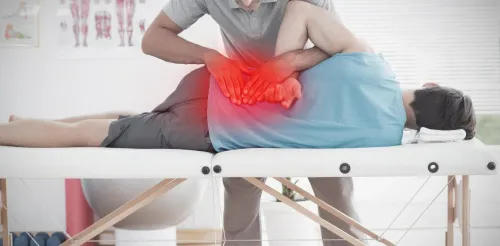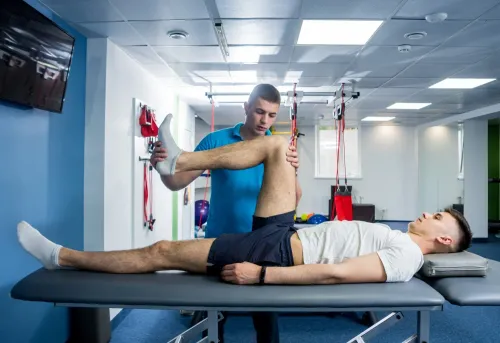

A sports injury can make athletes eager to return as soon as the pain settles. However, reduced pain does not necessarily mean that the injured tissue has regained strength, mobility, balance, or load tolerance. The best physiotherapy treatment for a sports injury addresses both the current symptoms and the reason the injury occurred.
Dr Renuka's Physiotherapy Center evaluates the injury alongside the physical demands of the patient’s sport. A runner, football player, badminton player, cricketer, and recreational gym-goer may all require different rehabilitation goals, even when the painful area is similar.
Sports Injury Rehabilitation in Vishrantwadi
A useful sports assessment looks beyond the site of pain. It may include joint mobility, muscle strength, balance, running or landing mechanics, training volume, footwear, recovery habits, and previous injuries.
Common conditions managed through sports physiotherapy include:
- Ankle sprains
- Muscle strains
- Tendon-related pain
- Knee ligament injuries
- Shoulder overload
- Runner’s knee
- Shin pain
- Lower back pain
- Post-fracture weakness
- Rehabilitation after sports surgery
The initial treatment depends on the type and severity of injury. Some injuries require medical imaging or specialist evaluation before active rehabilitation progresses.
Quick Pain Relief Versus Complete Rehabilitation
Pain-relieving treatments may make an injured area feel better temporarily. This can be useful during the early stage, but symptom relief alone does not prepare the body for sprinting, jumping, throwing, tackling, or rapid direction changes.
Complete rehabilitation typically progresses through several areas:
- Restoring comfortable movement
- Rebuilding muscle strength
- Improving balance and coordination
- Increasing tolerance to repeated loading
- Practising sport-specific movements
- Testing readiness before unrestricted return
Skipping the later stages can leave an athlete vulnerable when training intensity increases.
How Load Management Supports Recovery
Many sports problems develop when training load increases faster than the body can adapt. This may happen after adding extra running distance, increasing gym weights, returning after a break, or participating in several matches without adequate recovery.
Load management does not always require complete rest. The athlete may temporarily reduce intensity, volume, speed, or high-impact activity while maintaining fitness through safer alternatives.
A physiotherapist can help determine which activities can continue and which should be modified. This allows recovery without losing more conditioning than necessary.
Return-to-Sport Readiness Indicators
Time alone should not decide when an athlete returns. Depending on the injury, readiness may involve:
- Near-symmetrical strength
- Comfortable sport-specific movement
- Stable single-leg balance
- Controlled jumping and landing
- Ability to accelerate and decelerate
- Completion of training without symptom flare-up
- Confidence in the injured body part
Testing should reflect the actual demands of the sport. A person who can walk without pain may still be unprepared for competitive badminton or football.
Athletes across Pune, Maharashtra, often combine sport with work, studies, or irregular training schedules. Rehabilitation should be realistic enough to maintain consistently while still preparing the body for performance.
If an injury keeps returning or prevents you from training confidently, schedule a sports physiotherapy assessment at Dr Renuka's Physiotherapy Center. A progressive rehabilitation plan can help you move beyond temporary relief and work towards a safer return to your sport.
Keywords