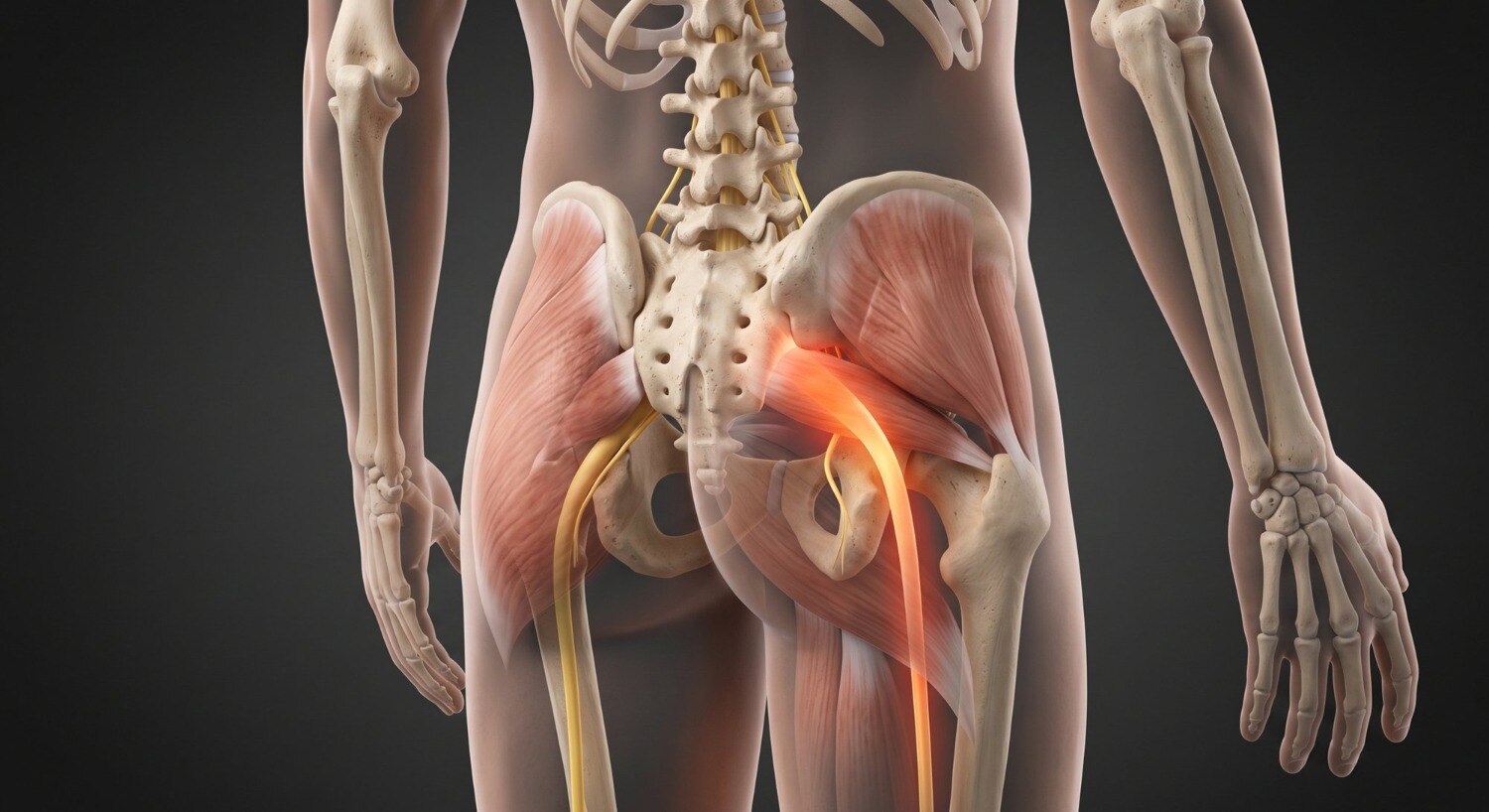
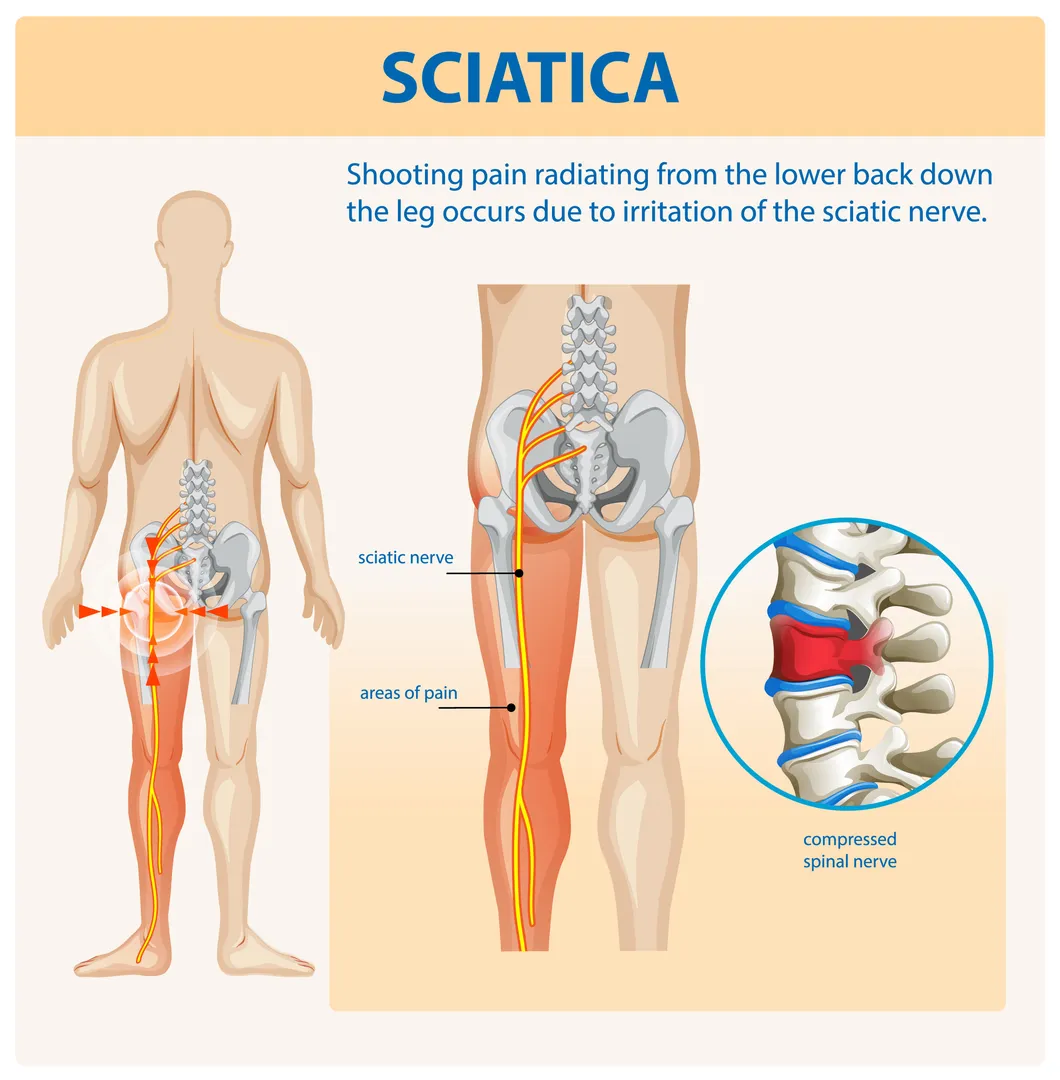
Sciatica usually describes pain caused by irritation or compression involving the sciatic nerve or its spinal nerve roots. Symptoms may travel from the lower back or buttock into the thigh, calf, or foot. Some people experience burning pain, tingling, numbness, or weakness rather than a simple backache.
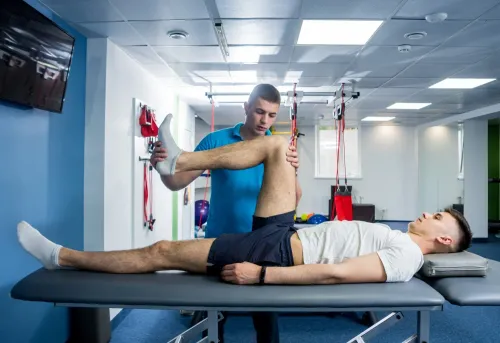
The best physiotherapy treatment for sciatica depends on what aggravates or relieves the symptoms. A routine that helps one person may worsen another person’s leg pain. At Dr Renuka's Physiotherapy Center, evaluation includes spinal movement, nerve-related symptoms, muscle strength, reflexes where relevant, walking pattern, and the effect of different positions.
Sciatica Assessment and Treatment in Vishrantwadi
The first priority is to understand whether the symptoms behave like nerve-related pain and whether physiotherapy is appropriate. Treatment may then focus on reducing irritation, improving movement, and restoring normal activity.
A personalised programme can include:
- Direction-specific spinal movements
- Gentle nerve mobility exercises
- Hip and lower-limb mobility work
- Core and gluteal strengthening
- Posture and workstation modifications
- Advice on walking, sitting, and lifting
- Gradual return to work or exercise
- Education about managing flare-ups
Not every technique is introduced at once. The physiotherapist observes how the leg symptoms respond and adjusts the programme accordingly.
Exercise Versus Rest for Sciatica
It is understandable to avoid movement when pain travels down the leg. However, extended inactivity may cause stiffness, weakness, and increased sensitivity. Suitable movement is usually more helpful than remaining in bed for long periods.
Walking short distances may be comfortable for some patients, while others initially tolerate lying or standing better than sitting. The right starting point depends on the individual symptom pattern.
An exercise should be reviewed if it causes pain to travel farther down the leg, produces new numbness, or leads to a lasting increase in symptoms. Mild back discomfort during rehabilitation is not always harmful, but increasing nerve-related symptoms should not be ignored.
Common Mistakes That Can Aggravate Symptoms
People with sciatica often try several home remedies before seeking an assessment. Some common mistakes include:
- Performing aggressive hamstring stretches despite nerve sensitivity
- Sitting continuously for several hours
- Lifting heavy objects while twisting
- Following a generic online exercise plan
- Stopping all physical activity for weeks
- Returning abruptly to the gym after temporary pain relief
- Using only heat or massage without rebuilding movement capacity
The aim is not to avoid every uncomfortable movement permanently. Rehabilitation gradually increases tolerance while monitoring neurological symptoms.
When Is Medical Attention Urgent?
Urgent assessment is necessary when sciatica occurs with loss of bladder or bowel control, numbness around the groin, rapidly increasing weakness, or difficulty controlling the legs. Medical review is also important when pain follows major trauma or is associated with fever or unexplained illness.
For people living in Pune, Maharashtra, daily travel, prolonged computer work, and repeated lifting can affect symptom recovery. Physiotherapy can help identify these contributors and create realistic modifications without unnecessarily stopping work or normal activity.
If radiating pain, tingling, or numbness is affecting your mobility, arrange a detailed assessment at Dr Renuka's Physiotherapy Center. Early guidance can help you avoid unsuitable exercises and begin a safer, symptom-specific rehabilitation programme.
Keywords