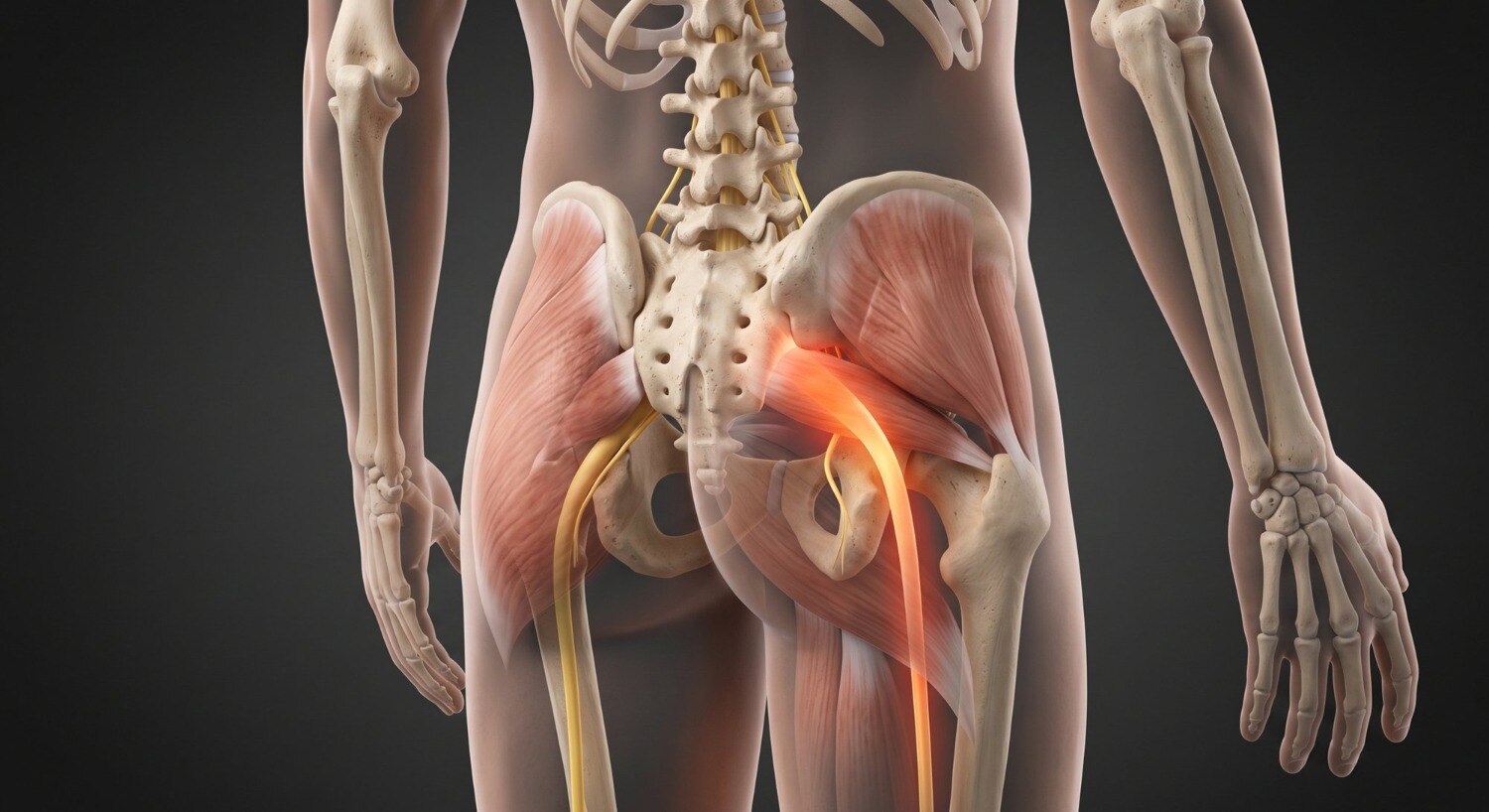

Running-related pain often develops gradually. A slight discomfort after training may progress into pain during running, stiffness the next morning, or difficulty climbing stairs. Reducing mileage may calm the symptoms temporarily, but the problem can return if weakness, poor load management, or inefficient movement remains unaddressed.
Dr Renuka's Physiotherapy Center provides assessment-led rehabilitation for recreational runners, beginners, marathon participants, and athletes returning after injury. The best physiotherapy treatment for runners considers training history, running goals, strength, mobility, recovery habits, and the specific movements that trigger pain.
Signs a Runner May Need Physiotherapy
Normal muscular tiredness usually settles with suitable recovery. An assessment becomes important when a runner experiences:
- Pain that increases during a run
- Symptoms that alter the running style
- Repeated pain in the same area
- Morning stiffness that is getting worse
- Swelling around a joint
- Pain during stairs or normal walking
- Reduced confidence while running
- Difficulty returning after an earlier injury
Continuing to train through worsening pain can turn a manageable overload problem into a longer interruption.
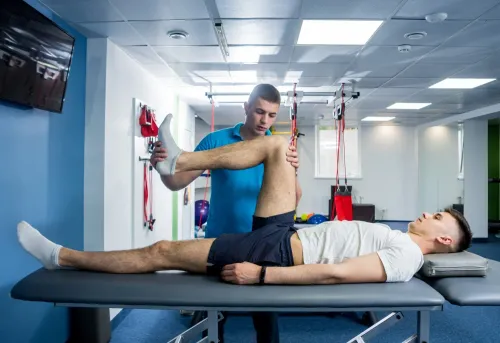
Running Injury Assessment in Vishrantwadi
A detailed assessment examines more than the painful area. Knee pain, for example, may be influenced by hip weakness, ankle stiffness, running load, or poor single-leg control.
The physiotherapist may review:
- Weekly running distance and frequency
- Recent changes in pace or terrain
- Warm-up and recovery practices
- Foot and ankle mobility
- Hip and lower-limb strength
- Single-leg balance
- Squat and landing control
- Running technique where appropriate
This information helps determine whether the runner needs complete rest, temporary training modification, or a progressive return-to-running plan.
What Does Physiotherapy for Runners Include?
Treatment may initially focus on settling pain and modifying the movements that repeatedly aggravate it. Rehabilitation then progresses towards improving strength and load tolerance.
Common components include:
- Mobility exercises for restricted joints
- Strengthening of the hips, knees, calves, and feet
- Single-leg balance and control work
- Progressive tendon or muscle loading
- Running-form guidance when relevant
- Advice about pace, distance, and recovery
- A staged return-to-running schedule
The programme should reflect the demands of the runner. Someone preparing for a long-distance event requires different conditioning from a person who runs occasionally for fitness.
Choosing the Right Physiotherapy Support
A suitable provider should perform an individual assessment rather than prescribe the same exercises to every runner. The plan should include measurable goals, clear exercise progression, and guidance about what training can safely continue.
Promises of instant correction should be viewed carefully. Most running injuries improve through consistent load management and progressive rehabilitation rather than a one-session solution.
Runners in Pune, Maharashtra, may train on roads, treadmills, tracks, or uneven outdoor routes. The treatment plan should account for the runner’s usual surface, footwear, schedule, and access to strength training.
If recurring pain is reducing your distance or affecting your running form, book an assessment at Dr Renuka's Physiotherapy Center. A personalised rehabilitation plan can help you address the cause of the problem and return to running with better strength and control.
Keywords