Lower back pain can appear after lifting, prolonged desk work, an unfamiliar workout, travel, or even without an obvious cause. It may feel like a dull ache, sharp catch, muscular tightness, or stiffness after sitting. Although rest may seem like the safest response, many common episodes improve more effectively through suitable movement and gradual return to normal activity.
The best physiotherapy treatment for lower back pain starts with understanding what triggers the symptoms and how they affect daily function. Dr Renuka's Physiotherapy Center evaluates posture, spinal and hip movement, muscle control, work habits, lifting technique, and any symptoms extending into the leg before developing a rehabilitation plan.
What Can Contribute to Lower Back Pain?
Back pain does not always mean that there is serious spinal damage. Symptoms may be influenced by several interacting factors, including:
- Sudden lifting or twisting
- Long periods of sitting
- Reduced hip mobility
- Weakness or poor trunk endurance
- Rapid increases in physical activity
- Repetitive bending at work
- Interrupted sleep and fatigue
- Fear of movement after a painful episode
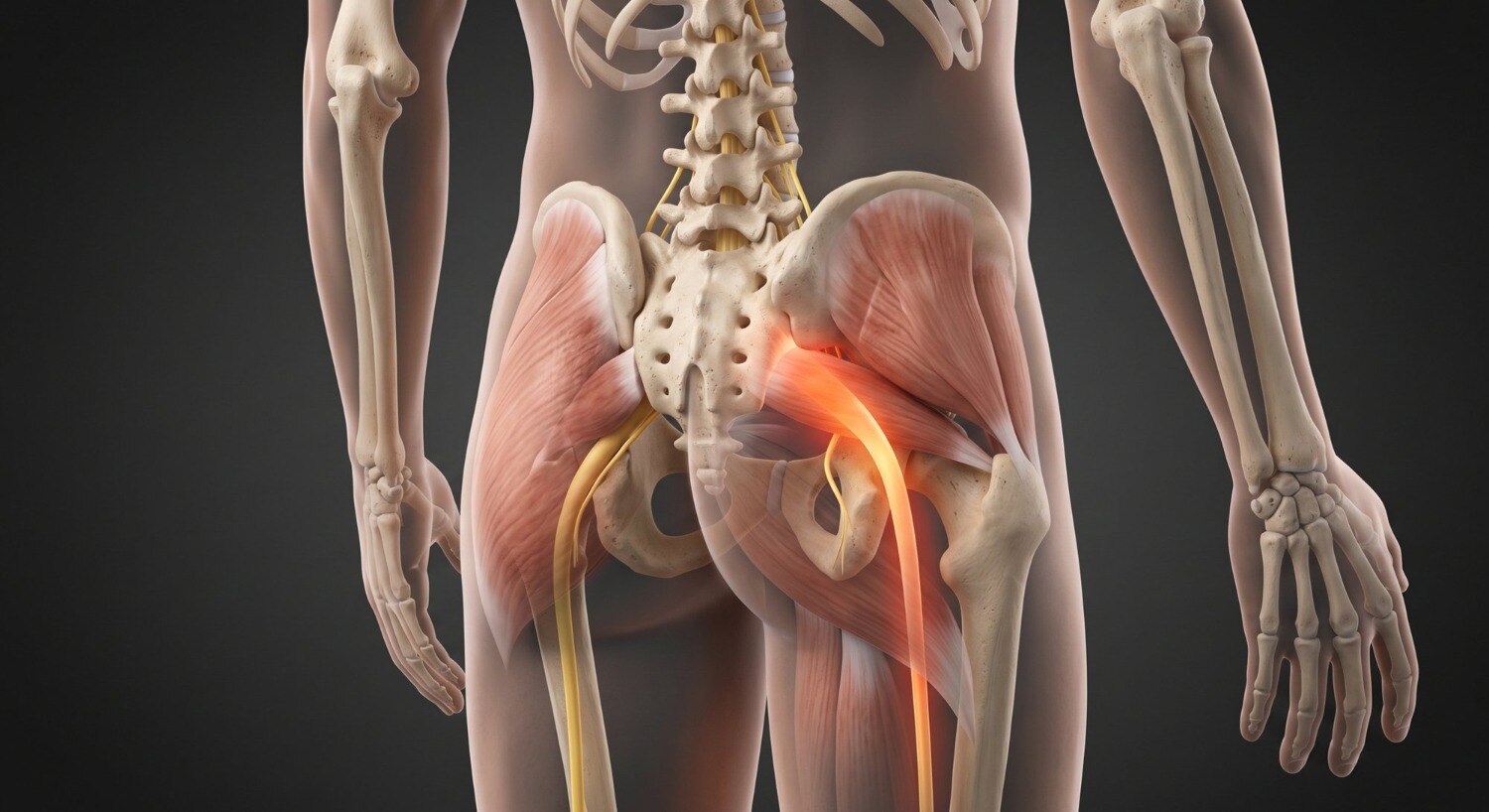
Some people also experience back pain due to disc irritation, joint stiffness, or nerve involvement. The pattern of symptoms helps determine which movements and exercises may be appropriate.
How Physiotherapy Supports Recovery
Treatment should be matched to the individual rather than based on a standard list of back exercises.
Education and Activity Guidance
Understanding which movements are safe can reduce unnecessary fear. A physiotherapist may advise temporary activity modifications while encouraging the patient to remain as active as reasonably possible.
Mobility Work
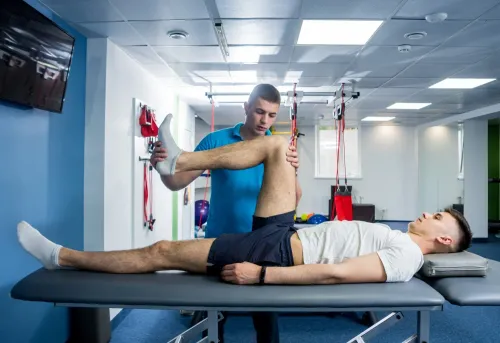
Gentle spinal, hip, or lower-limb movements may help reduce stiffness. The direction and range of exercise should be selected according to how the symptoms respond.
Strength and Endurance Training
As pain becomes manageable, exercises may target the abdominal muscles, spinal extensors, hips, and legs. The purpose is not to keep the back rigid. It is to improve the body’s capacity to tolerate sitting, standing, lifting, and exercise.
Movement Retraining
People whose pain repeatedly returns during bending or lifting may benefit from practising these tasks with improved control. Workplace setup, driving posture, and lifting strategies can also be reviewed.
What Should You Avoid During Recovery?
Several common mistakes can prolong discomfort:
- Staying in bed for extended periods
- Stopping all exercise because movement feels unfamiliar
- Performing aggressive stretches without knowing the pain source
- Depending only on passive treatments
- Returning suddenly to heavy lifting after symptoms settle
- Ignoring pain, numbness, or weakness spreading into the leg
A gradual approach allows the back to rebuild tolerance without repeatedly provoking a flare-up.
When Back Pain Requires Urgent Attention
Immediate medical assessment is important if back pain is accompanied by loss of bladder or bowel control, numbness around the groin, rapidly increasing leg weakness, major trauma, unexplained fever, or severe unrelenting pain. These symptoms are uncommon but should not be managed as routine muscular back pain.
Daily routines in Pune—such as long commutes, desk-based work, two-wheeler travel, and limited movement breaks—can contribute to recurring stiffness. For people in Vishrantwadi, a locally accessible physiotherapy programme can make consistent supervised rehabilitation easier.
The goal of treatment is broader than short-term pain reduction. A well-planned programme helps restore comfortable movement, rebuild physical capacity, and give the person practical strategies for handling future flare-ups safely.
Keywords