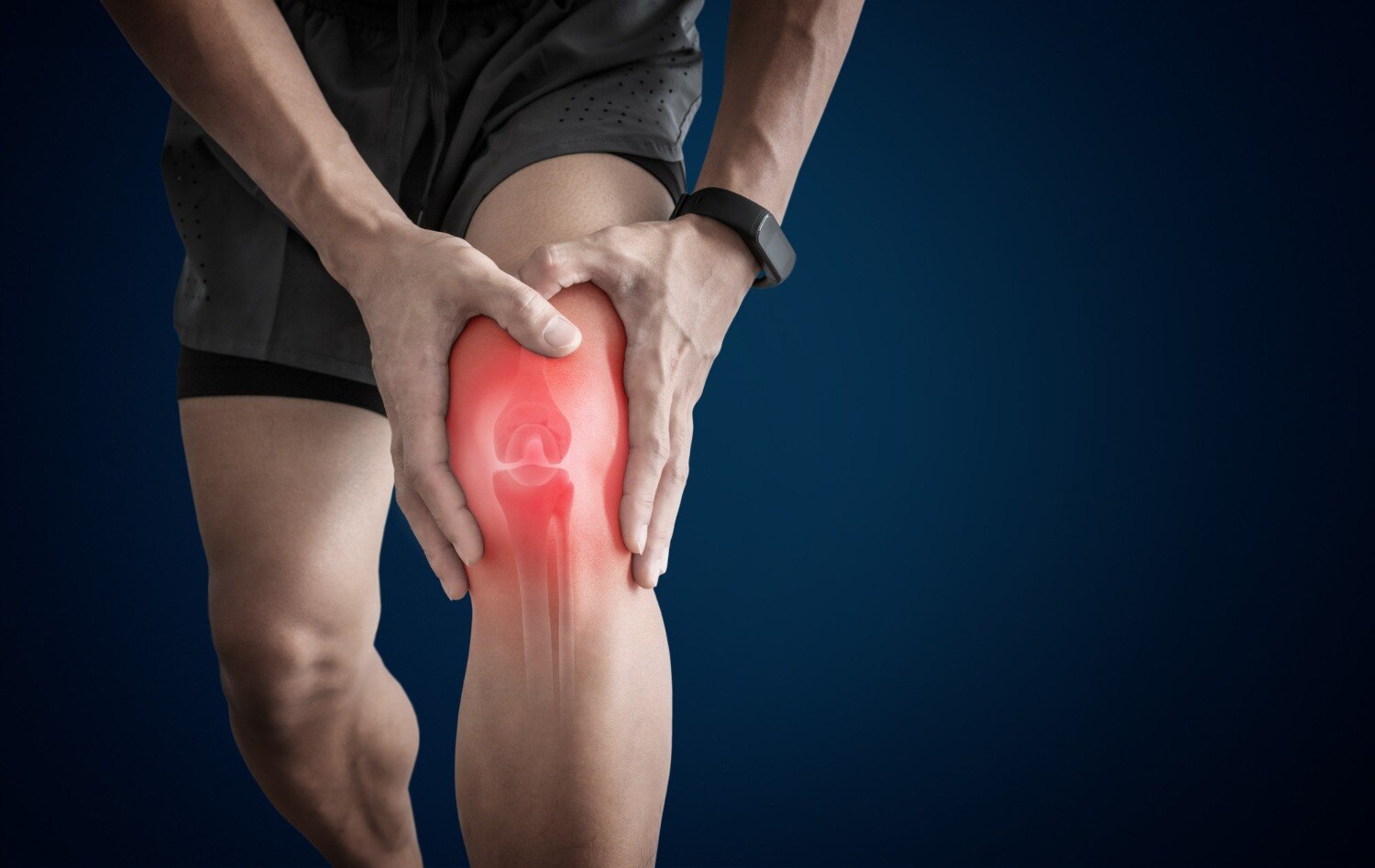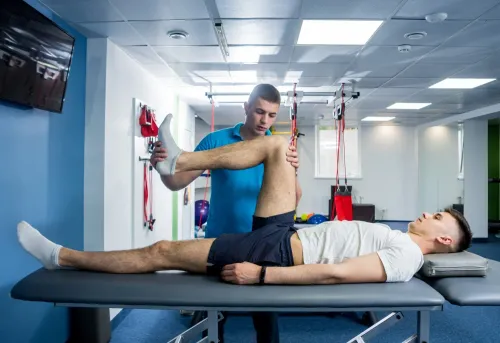
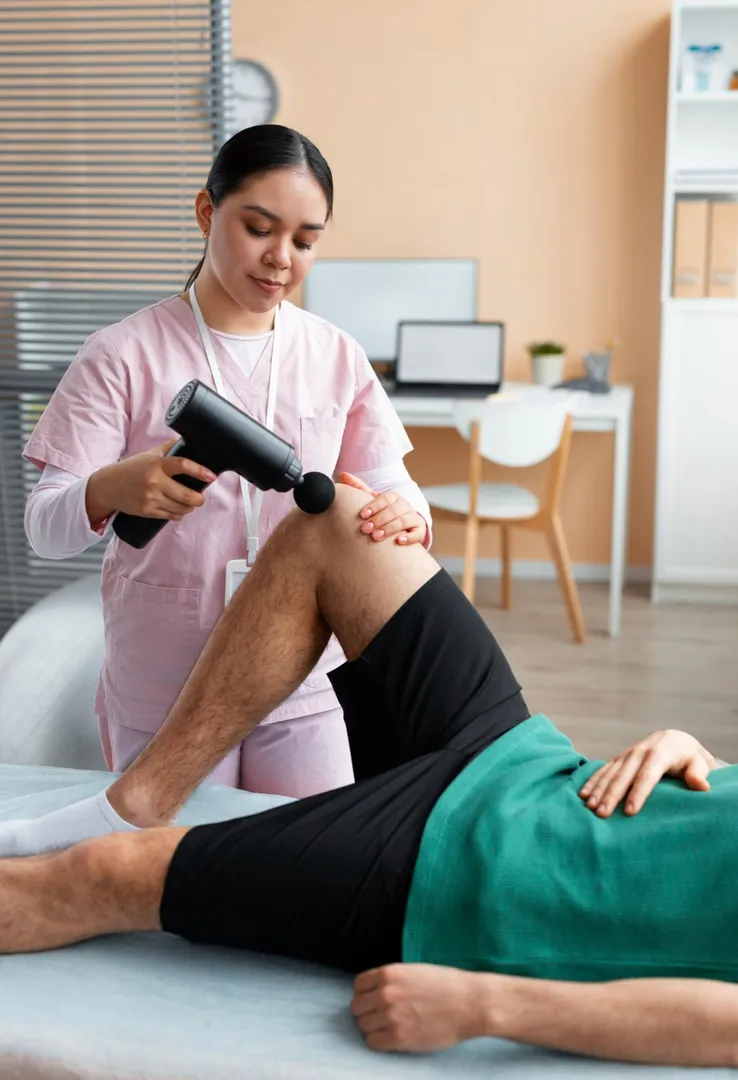
Knee pain can appear while walking, climbing stairs, standing from a chair, exercising, or even after prolonged sitting. Although people often respond by avoiding movement completely, excessive rest can sometimes contribute to stiffness and reduced muscle strength. Physiotherapy aims to identify the factors affecting knee function and introduce movement in a controlled way.
People researching the Best Physiotherapy Treatment for Knee Pain in Pune should expect an assessment-led programme rather than a standard set of knee exercises.
Why Knee Pain Needs Proper Assessment
The knee works together with the hip, ankle, surrounding muscles, and overall movement pattern. This means the painful area is only one part of the assessment.
A physiotherapist may evaluate:
- Knee bending and straightening
- Swelling where present
- Quadriceps and hamstring strength
- Hip muscle strength
- Walking pattern
- Balance and stability
- Ability to squat or use stairs
- Previous injuries
- Exercise or occupational demands
The patient’s age, activity level, medical history, and diagnosis also influence rehabilitation planning.
What Can Physiotherapy Include?
Exercise selection depends on the cause and stage of the condition.
Early rehabilitation may focus on comfortable movement and restoring range of motion. Strengthening can then be introduced or progressed according to tolerance.
Exercises may target the quadriceps, hamstrings, gluteal muscles, calves, and other structures involved in lower-limb control.
Balance and functional exercises may also become important, particularly when the patient needs to regain confidence during walking, stairs, or recreational activities.
Should You Exercise Through Knee Pain?
Not every sensation during rehabilitation means an exercise is harmful, but significant or worsening symptoms should not simply be ignored.
A physiotherapist can explain what level of response may be acceptable for the individual and when an exercise needs modification.
This is one reason generic online exercise routines have limitations. They cannot assess swelling, instability, movement quality, strength differences, or the exact nature of the knee problem.
Everyday Habits Also Matter
Recovery does not happen only during clinic sessions. Patients may need guidance about stair use, prolonged sitting, walking volume, exercise load, footwear, or gradual return to activity.
In Pune, where daily routines may involve commuting, extended desk work, walking, and frequent stair use, rehabilitation should consider what the patient actually needs to do each day.
At Dr Renukas Physiotherapy Center, knee rehabilitation can be planned according to individual assessment findings and functional requirements. Physiotherapy does not promise identical results for every knee condition, but structured rehabilitation can help patients work systematically on movement, strength, and function.
Keywords