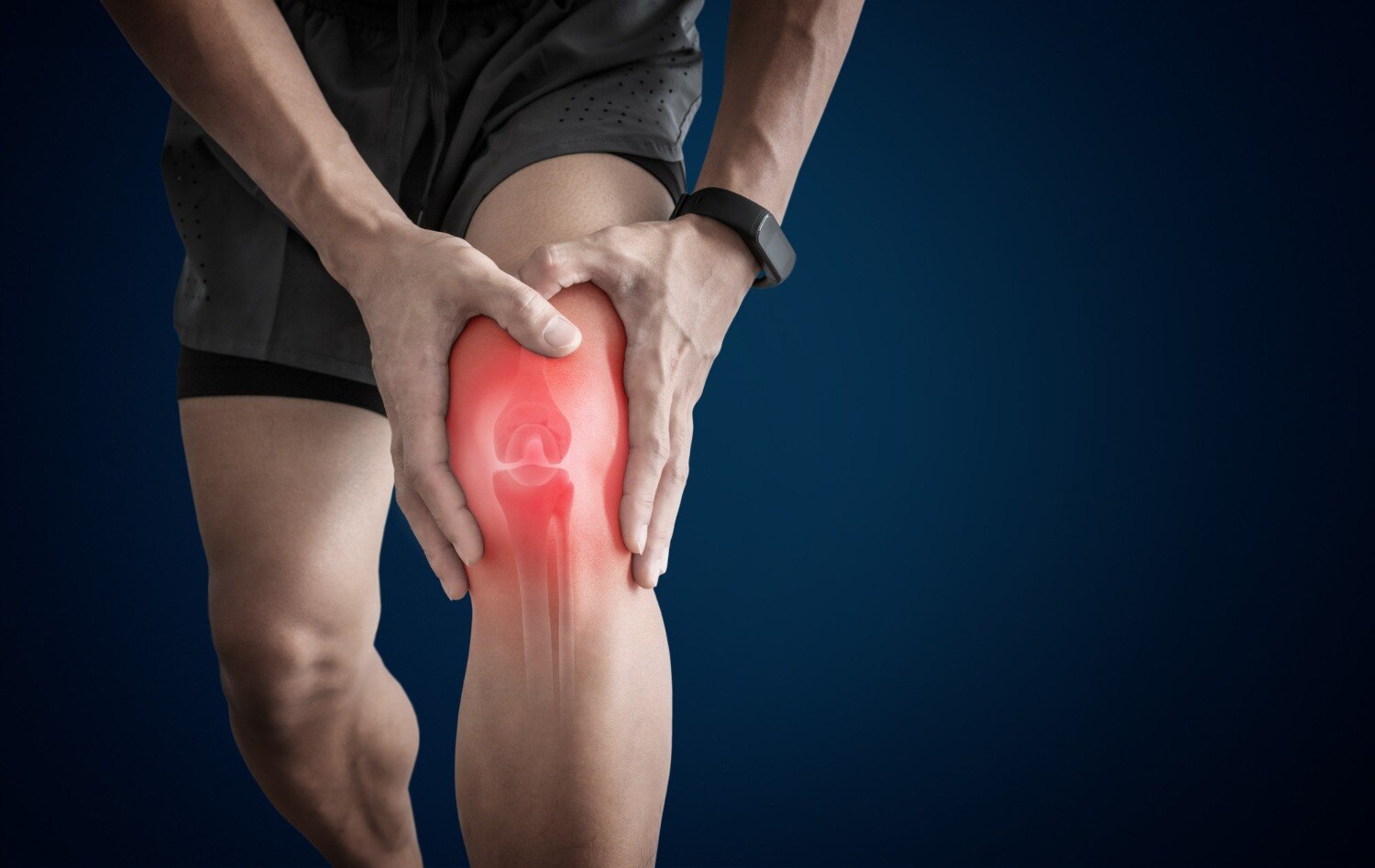
Knee pain may develop after an injury, prolonged sitting, increased walking, stair climbing, running, or age-related joint changes. Because the causes differ, the best physiotherapy treatment for knee pain must address the underlying movement problem rather than only provide temporary pain relief.
At Dr Renuka's Physiotherapy Center in Vishrantwadi, treatment planning is based on the location of pain, how it started, movements that worsen it, joint mobility, muscle strength, balance, and walking pattern. The assessment may also include the hip, ankle, and lower back because problems in these areas can change the load placed on the knee.
Common Reasons for Knee Pain
Knee discomfort can be associated with:
- Osteoarthritis
- Patellofemoral pain
- Ligament or meniscus injuries
- Weak quadriceps or hip muscles
- Tendon overload
- Poor running or landing mechanics
- Sudden increases in exercise
- Stiffness after surgery or immobilisation
Pain at the front of the knee during stairs may require a different approach from pain caused by an acute twisting injury. This is why copying a general online exercise routine may not produce the expected result.
What Does Knee Physiotherapy Include?
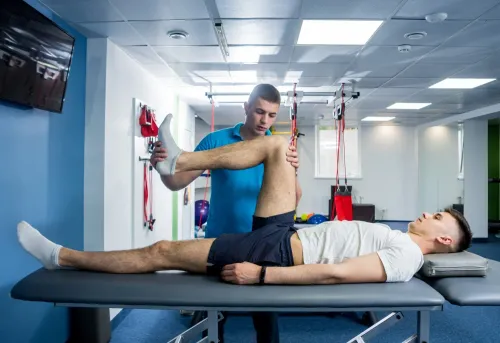
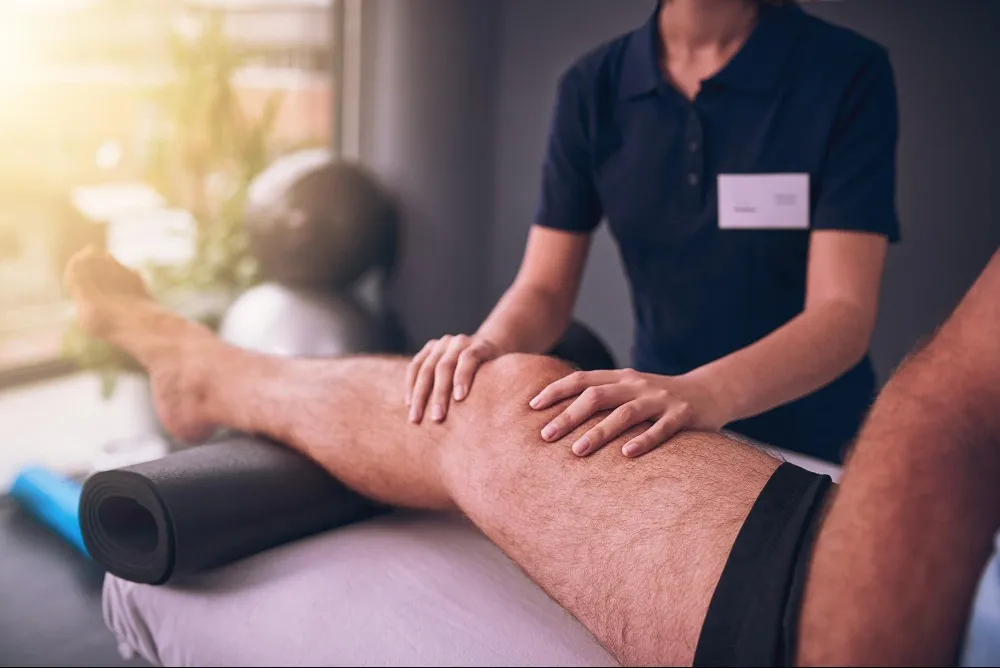
A personalised programme may use a combination of mobility work, strengthening, balance training, movement correction, and activity guidance.
Mobility Exercises
Restricted knee bending or straightening can affect walking and stair use. Gentle mobility exercises may help restore movement without excessively irritating the joint.
Progressive Strengthening
Strengthening is commonly directed towards the quadriceps, hamstrings, gluteal muscles, and calves. Depending on the condition, exercises may include supported sit-to-stands, bridges, step-ups, resistance-band movements, or controlled squats.
The exercise load should increase gradually. Mild muscular effort may be expected, but a substantial rise in pain or swelling can indicate that the programme needs modification.
Balance and Movement Control
Balance exercises help the body respond to changes in surface and direction. They can be particularly useful after injury, during sports rehabilitation, and for older adults who feel unsteady.
A physiotherapist may also correct knee alignment during squats, stair climbing, running, or landing. Better movement control can distribute force more effectively across the lower limb.
Should You Rest a Painful Knee?
Complete rest is rarely the only solution for ongoing mechanical knee pain. It may reduce symptoms temporarily, but prolonged inactivity can lead to weakness and stiffness.
Relative rest is often more useful. This means reducing or modifying the activities that aggravate the knee while continuing safe movement. For example, a runner may temporarily reduce distance, avoid slopes, or replace running with cycling while completing a strengthening programme.
When Does Knee Pain Need Prompt Assessment?
An evaluation should not be delayed when knee pain is accompanied by:
- Significant swelling after an injury
- Inability to bear weight
- Repeated locking or giving way
- Visible deformity
- Redness, unusual warmth, or fever
- Persistent night pain
- Calf swelling or unexplained breathlessness
These signs may require medical investigation before routine rehabilitation continues.
For people living or working in Vishrantwadi, Pune, physiotherapy can also help identify daily contributors such as extended sitting, unsuitable training progression, frequent stair use, or poor lifting mechanics. The aim is not simply to settle the current episode.
Effective rehabilitation builds the strength, mobility, and movement habits needed to keep the knee functioning during work, exercise, and everyday activity.
Keywords