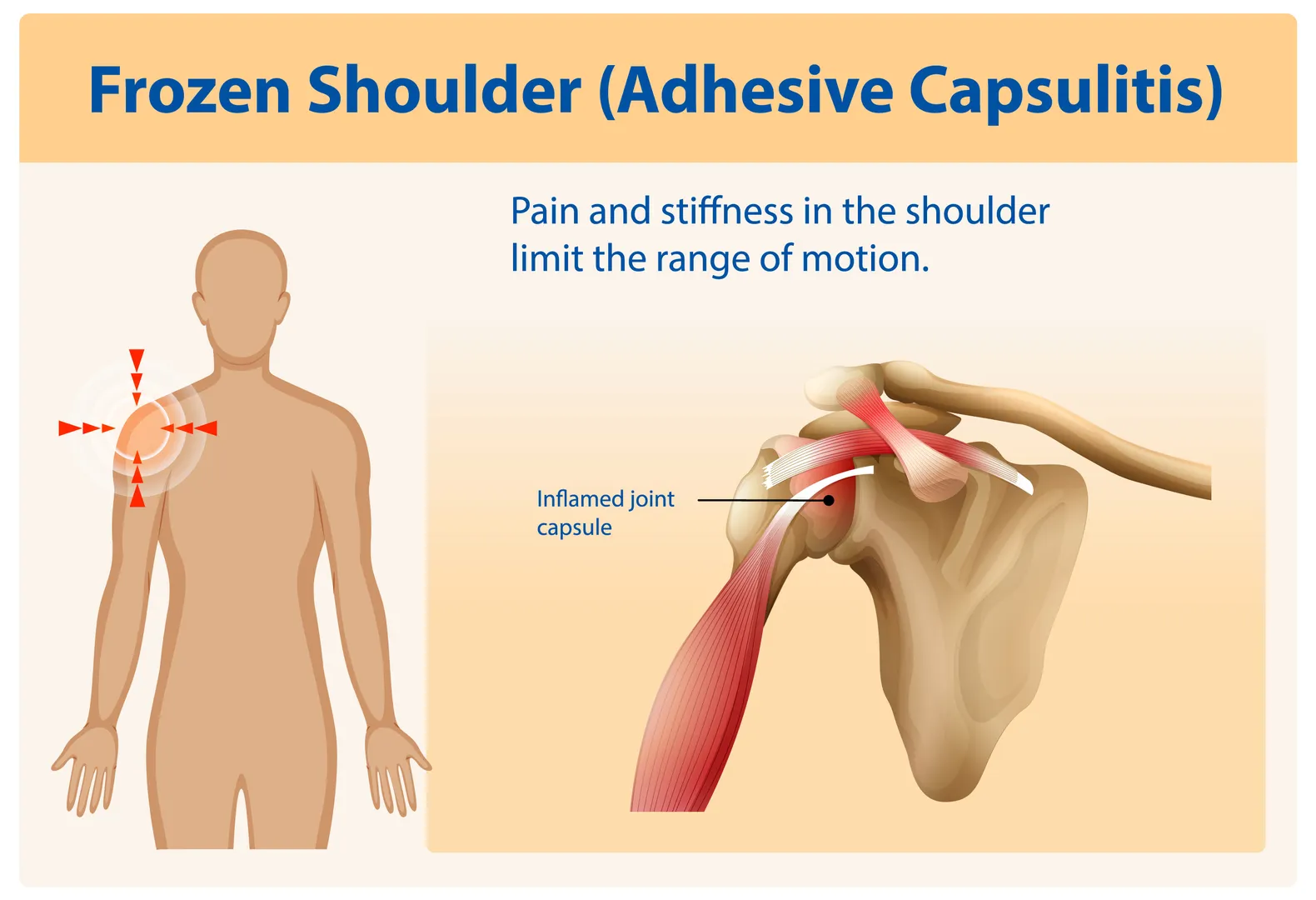
Frozen shoulder can make simple tasks unexpectedly difficult. Reaching overhead, fastening clothes, combing the hair, or sleeping on the affected side may become painful. The condition often develops gradually, and people may notice that both active and assisted shoulder movements are becoming restricted.
The best physiotherapy treatment for frozen shoulder depends on the stage of the condition and the person’s pain tolerance. Forceful stretching is not always helpful, particularly during a highly painful phase. A more measured plan usually combines pain management, joint mobility work, home exercises, and gradual strengthening.
Dr Renuka's Physiotherapy Center assesses shoulder movement, pain behaviour, posture, muscle function, and daily limitations before recommending treatment. This is important because rotator cuff problems, arthritis, neck-related pain, and other conditions can sometimes resemble frozen shoulder.
Understanding the Stages of Frozen Shoulder
Frozen shoulder commonly progresses through three broad stages.
The Painful or Freezing Stage
Pain may be the dominant symptom, especially at night. Shoulder movement gradually becomes restricted. Treatment at this stage generally prioritises comfort, gentle mobility, and maintaining as much usable movement as possible.
The Stiff or Frozen Stage
Pain may reduce, but stiffness can remain significant. Reaching behind the back or raising the arm may be particularly difficult. Mobility exercises and carefully graded joint techniques may receive greater emphasis.
The Recovery or Thawing Stage
Movement begins to improve. Treatment can progress towards strengthening, functional reaching, and restoring confidence in daily activities.
These stages are not identical for everyone. Treatment should therefore respond to current symptoms rather than follow a rigid timetable.
Physiotherapy Techniques That May Be Used
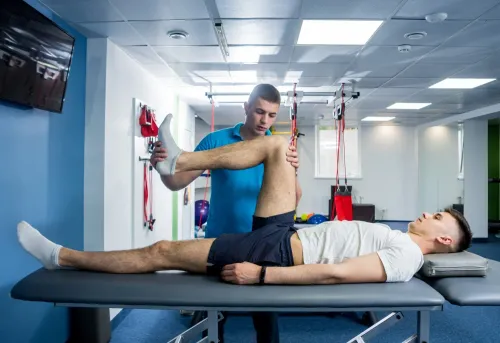
A physiotherapy programme may combine several approaches:
- Gentle shoulder mobility exercises
- Joint mobilisation suited to the level of irritability
- Assisted movements using a stick, wall, or table
- Postural correction and upper-back mobility
- Scapular control exercises
- Progressive rotator cuff strengthening
- Advice about sleeping and daily activity modification
- A structured home exercise programme
Heat or other pain-relieving methods may be used when appropriate, but exercises and functional rehabilitation remain central to improving movement.
Why Aggressive Stretching Can Be Counterproductive
Many people assume that a stiff shoulder must be stretched as forcefully as possible. However, pushing sharply into pain may aggravate symptoms and make the shoulder more guarded.
Stretching should produce a manageable pulling sensation rather than intense or lingering pain. The duration, frequency, and range of each exercise should match the shoulder’s current tolerance. Gradual consistency often works better than occasional aggressive sessions.
Managing Frozen Shoulder in Daily Life
Small changes can make everyday activities easier while the shoulder recovers:
- Keep frequently used objects within a comfortable reach.
- Avoid repeatedly forcing the arm into the most painful position.
- Support the arm with a pillow when sleeping.
- Take movement breaks if desk work increases shoulder stiffness.
- Perform prescribed exercises regularly without exceeding the recommended range.
People with diabetes or thyroid conditions may have a higher likelihood of developing frozen shoulder, and recovery can sometimes be prolonged. Any associated health condition should be considered during treatment planning.
For residents of Vishrantwadi and surrounding Pune neighbourhoods, early assessment can clarify whether the problem is frozen shoulder or another source of shoulder restriction. Recovery can take time, but a stage-appropriate physiotherapy programme can steadily improve mobility, sleep comfort, and independence in daily activities.
Keywords