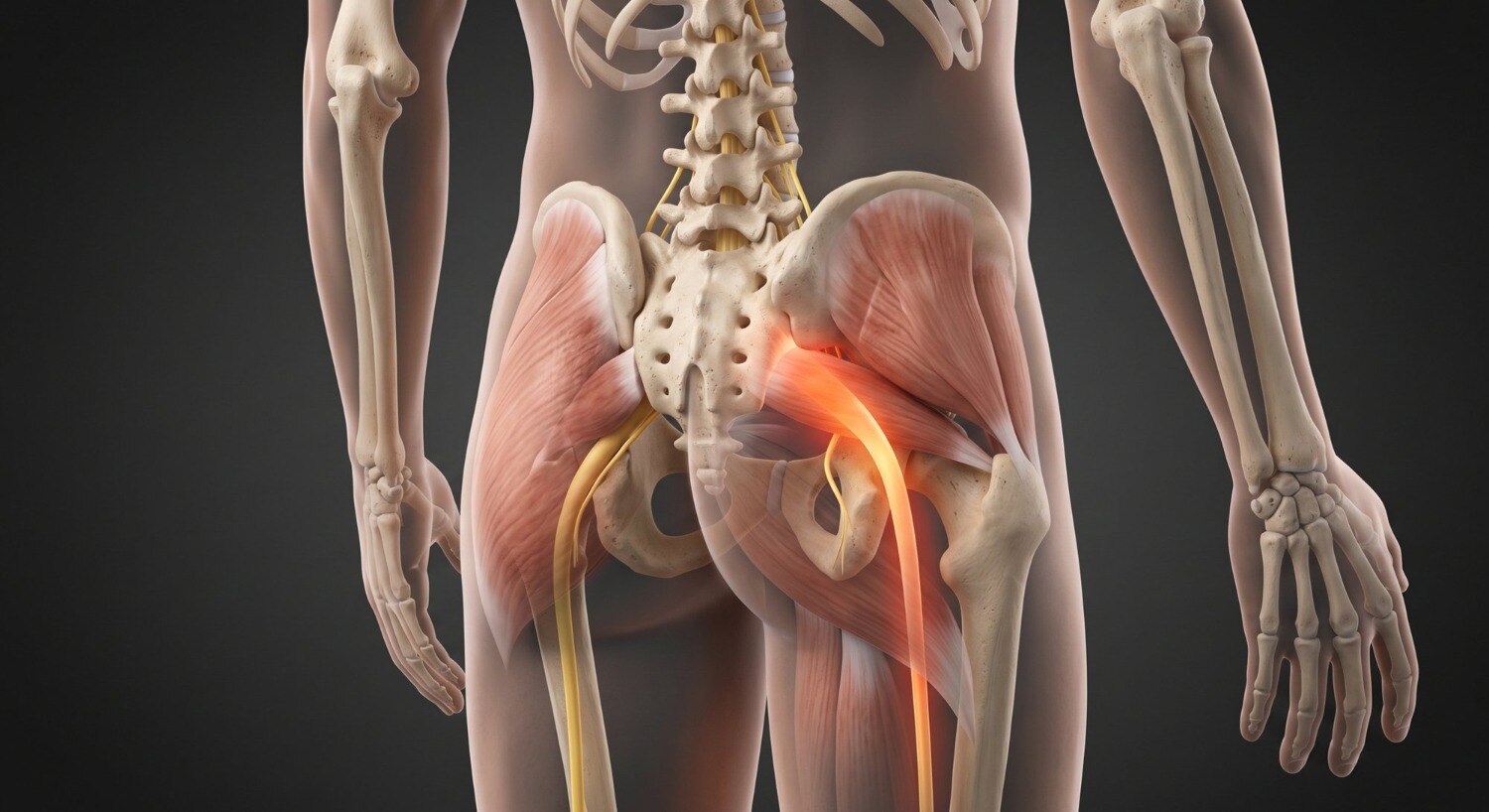

Back pain during pregnancy is common, but it should not automatically be accepted as something that must be endured. Changes in posture, body weight, joint loading, sleep positions, and daily movement can place additional demands on the lower back and pelvis. The discomfort may affect walking, sitting, turning in bed, climbing stairs, or completing household tasks.
The best physiotherapy treatment for back pain during pregnancy is gentle, individualised, and adapted to the stage of pregnancy. At Dr Renuka's Physiotherapy Center, care focuses on safe movement, posture, muscle support, and practical ways to manage daily activities. Treatment should also consider medical guidance and any pregnancy-related precautions.
Pregnancy Back Pain Care in Vishrantwadi
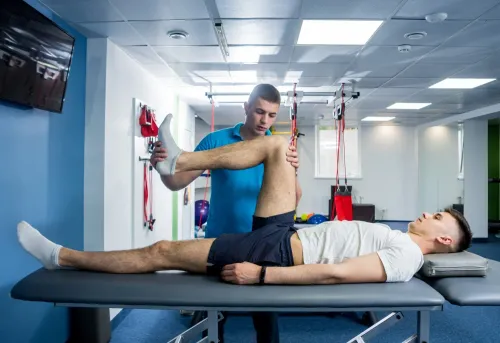
An initial assessment explores where the pain is felt, which activities aggravate it, and whether symptoms extend into the hips or legs. The physiotherapist may examine posture, breathing, hip mobility, muscle control, walking, and the way the patient performs routine movements.
Treatment may include:
- Gentle mobility exercises
- Pelvic and trunk control exercises
- Hip and gluteal strengthening
- Breathing and relaxation techniques
- Posture guidance
- Advice for sleeping and turning in bed
- Safe lifting and bending strategies
- Supportive positioning during daily activities
Exercise intensity should be appropriate for the individual. The aim is to improve comfort and function without creating unnecessary strain.
Everyday Changes That May Reduce Discomfort
Small adjustments can make a meaningful difference during pregnancy:
- Change sitting positions regularly instead of remaining still for long periods.
- Use back support when sitting at a desk or travelling.
- Bend through the hips and knees when picking up light objects.
- Avoid carrying heavy bags on one side.
- Use pillows to support a comfortable sleeping position.
- Wear stable footwear for walking and routine activities.
- Break household work into shorter periods with rest between tasks.
These measures work best when combined with exercises selected for the patient’s current symptoms.
What Should a Pregnancy Physiotherapy Provider Offer?
A suitable physiotherapy clinic should begin with an assessment rather than immediately using a standard treatment routine. The physiotherapist should explain which exercises are appropriate, how often they should be performed, and which symptoms require medical review.
Treatment should feel collaborative. Pregnant patients should be able to discuss fatigue, sleep difficulties, previous back problems, and concerns about movement without feeling pressured to exercise through significant discomfort.
When Should Back Pain Be Medically Reviewed?
Back pain requires timely medical attention when it is accompanied by vaginal bleeding, fluid leakage, fever, painful urination, regular abdominal tightening, dizziness, unusual shortness of breath, reduced foetal movement, or severe pain that does not settle. New weakness, numbness, or loss of bladder or bowel control also needs prompt assessment.
Pregnant women in Pune, Maharashtra, may face additional strain from commuting, prolonged work hours, and repeated household activities. A realistic programme should fit safely into the patient’s routine without causing excessive fatigue.
If pregnancy-related back pain is affecting your mobility, sleep, or daily comfort, schedule an assessment at Dr Renuka's Physiotherapy Center. Personalised physiotherapy can help you stay active and manage movement more comfortably throughout pregnancy.
Keywords