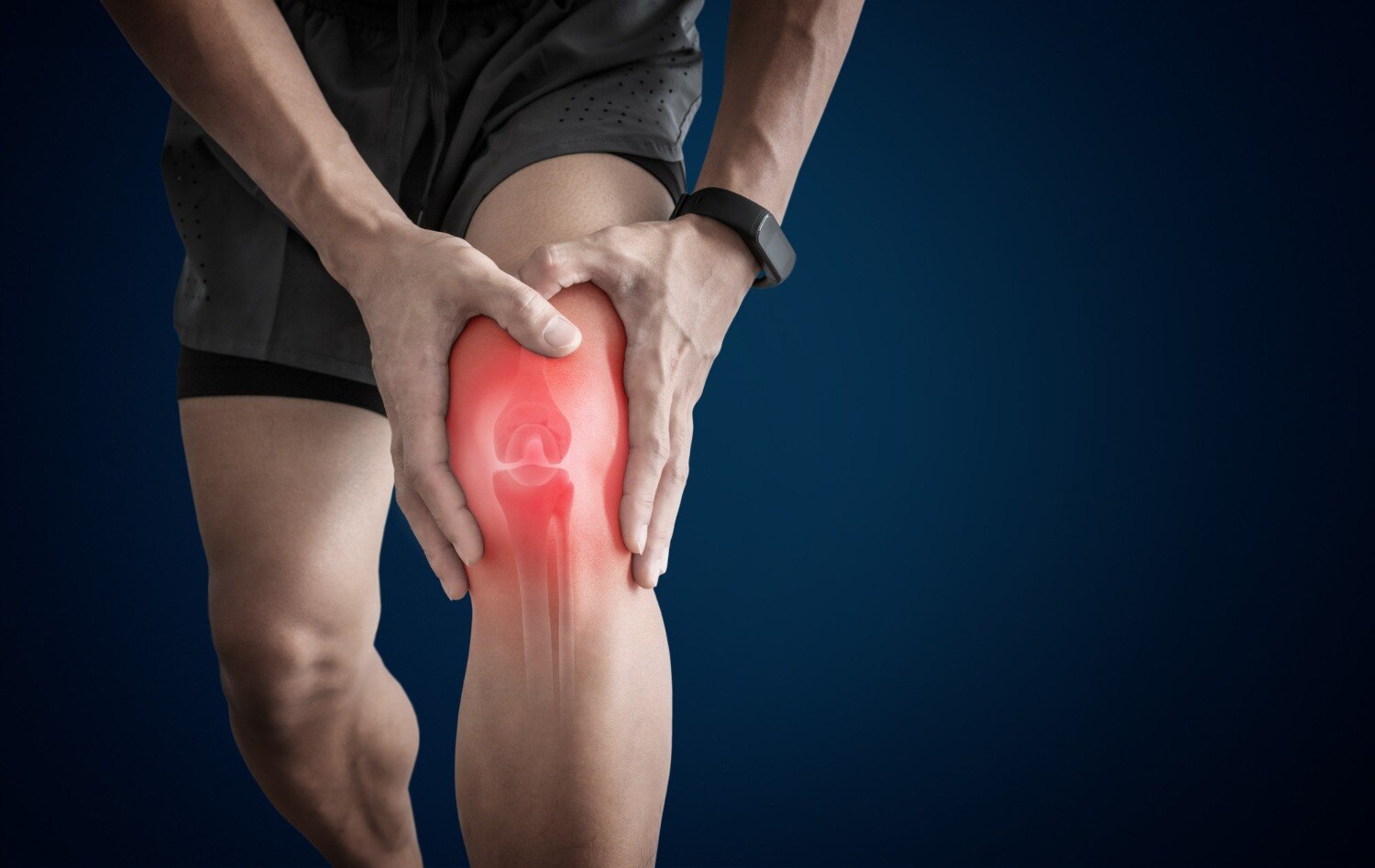
Knee replacement surgery can reduce severe joint pain, but the operation is only one part of recovery. Physiotherapy helps restore knee movement, rebuild muscle strength, improve walking, and support a return to everyday independence. The best physiotherapy treatment after knee replacement follows a planned progression while respecting wound healing, swelling, pain levels, and the surgeon’s instructions.
Dr Renuka's Physiotherapy Center supports post-operative rehabilitation through individual assessment and goal-based exercise planning. The programme may vary according to the type of surgery, previous mobility, age, home environment, and any existing health conditions.
Post-Knee Replacement Rehabilitation in Vishrantwadi
Recovery milestones are useful, but patients should not compare their progress too closely with someone else’s. Swelling, stiffness, muscle weakness, and confidence can differ considerably.
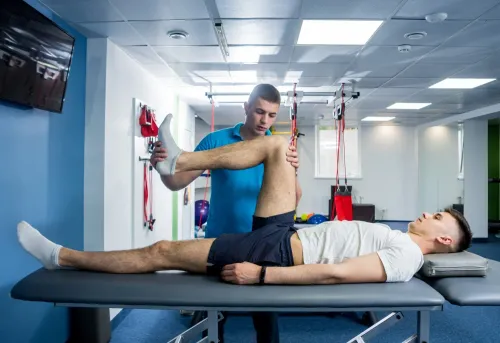
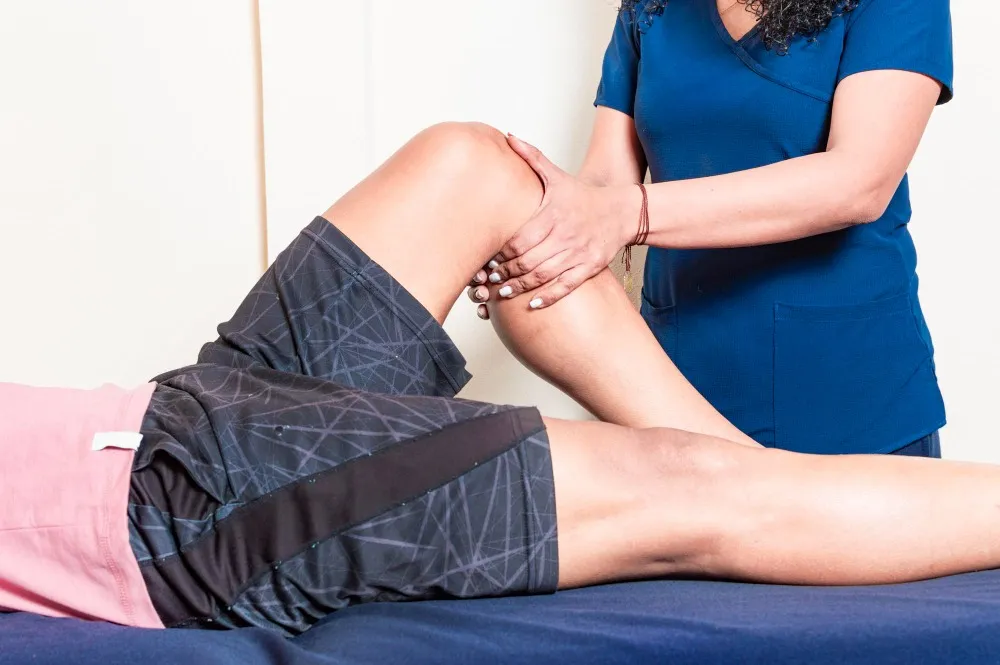
A physiotherapist typically monitors:
- Knee bending and straightening
- Pain and swelling
- Quadriceps activation
- Walking pattern
- Use of a walker or walking stick
- Balance and stair safety
- Ability to sit, stand, and transfer
- Progress with the home exercise programme
Treatment is adjusted according to how the knee responds between sessions.
Early Recovery Checklist
During the initial stage, the focus is usually on safe movement and preventing avoidable stiffness.
Important priorities may include:
- Performing prescribed ankle and circulation exercises
- Practising quadriceps activation
- Working gradually on knee bending and straightening
- Walking short distances with the recommended support
- Changing position regularly
- Following wound-care and medication instructions
- Using swelling-management measures as advised
- Avoiding prolonged inactivity
Patients should not force the knee aggressively. Progress should be steady and controlled rather than driven by painful stretching.
Strengthening and Functional Training
As healing progresses, physiotherapy becomes more focused on functional independence. Exercises may include sit-to-stand practice, supported squats, step-ups, balance work, stationary cycling, and progressive resistance training.
The quadriceps often require particular attention because weakness can make standing, stair climbing, and walking more difficult. Hip and calf strength also matter because they contribute to lower-limb control.
Walking distance should increase gradually. A longer walk is not always better if it causes excessive swelling or worsens the walking pattern. Quality, control, and recovery after activity are important measures of progress.
Signs That the Programme May Need Review
A physiotherapy plan should be reassessed if the patient experiences:
- Increasing rather than decreasing stiffness
- Persistent difficulty straightening the knee
- A worsening limp
- Repeated loss of balance
- Significant swelling after routine exercise
- Difficulty progressing from walking support
- Fear that prevents normal movement
Sudden calf swelling, unusual breathlessness, fever, wound discharge, increasing redness, or severe unexplained pain requires prompt medical attention.
Preparing for Everyday Independence
For patients in Pune, Maharashtra, rehabilitation may need to consider household stairs, uneven outdoor surfaces, bathroom access, and travel requirements. Practising these real-life tasks can make the transition back to normal activity more confident.
If you or a family member is preparing for rehabilitation after knee replacement, book a physiotherapy assessment at Dr Renuka's Physiotherapy Center. A structured programme can support safer walking, better knee mobility, and a more confident return to daily routines.
Keywords