
Pain or weakness when you place a plate on a shelf can come from the shoulder joint, rotator cuff, collarbone joint, or even the neck. You will learn which warning signs need medical assessment, how a physiotherapist identifies the likely source, and how a safe programme progresses from pain-limited movement to overhead strength.
Key takeaways
- Painful lifting does not identify one diagnosis; compare active and passive shoulder movement.
- Ask for neck, shoulder-joint, rotator-cuff, and acromioclavicular-joint testing.
- Progress overhead exercises from comfortable motion to controlled, task-specific loading.
- Compare Pune clinics by assessment quality, exercise supervision, and measurable progress.
What does difficulty reaching overhead reveal about the problem?
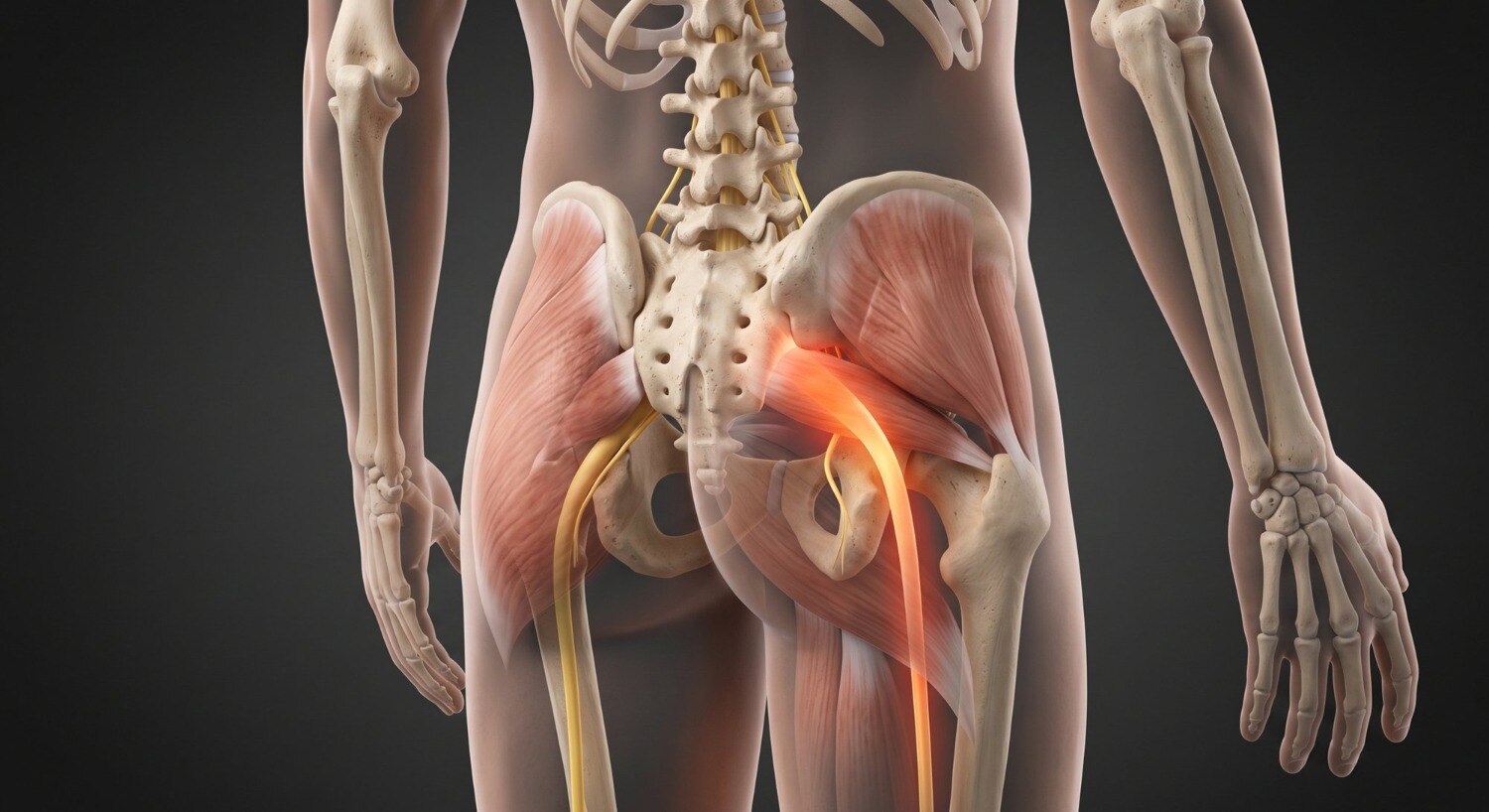
Difficulty reaching overhead identifies a movement problem, not a diagnosis. Rotator-cuff-related pain often hurts during lifting or a painful arc, while frozen shoulder restricts both active and passive movement. Arthritis causes stiffness and joint-line pain; acromioclavicular-joint pain sits on top of the shoulder. Neck-related pain can travel down the arm with tingling or numbness.
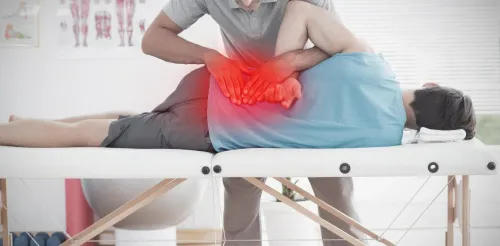
The phrase best physiotherapy for shoulder pain reaching overhead describes a treatment decision, not one condition. The cause matters because aggressive stretching can aggravate an irritable frozen shoulder, while weakness after an injury needs a different plan.
| Cause | Clues that raise suspicion |
|---|---|
| Rotator-cuff-related pain | Pain lifting or lowering the arm; pain with resisted rotation; strength may be reduced by pain |
| Frozen shoulder | Gradual stiffness; both self-lift and assisted lift are restricted, especially rotation |
| Shoulder arthritis | Deep ache, morning stiffness, grinding, and steadily reduced movement |
| Instability | Slipping, apprehension, or a feeling that the shoulder may come out |
| Neck-related pain | Neck movement changes symptoms; pain, pins and needles, or weakness extends below the shoulder |
| Acute injury | A fall, dislocation, deformity, sudden weakness, or immediate inability to lift the arm |
Obtain medical assessment before exercise if you have:
- A hot, swollen shoulder with fever, or severe redness.
- A fall, suspected dislocation, visible deformity, or sudden inability to lift the arm.
- Worsening numbness, progressive weakness, or loss of hand coordination.
- Unexplained weight loss or a history of cancer.
- Chest pain, breathlessness, sweating, or pain spreading to the jaw or arm.
These signs should not be treated solely as a local shoulder problem.
How should a physiotherapy assessment test an overhead shoulder problem?
A useful assessment separates a painful shoulder from pain referred by the neck or irritated nerves before choosing treatment. Shoulder pain physiotherapy should not rely on a painful arc or one special test; that finding does not prove impingement or identify a specific tendon injury.
1. Ask about onset, pain location and behaviour. Record whether symptoms began after a fall, lifting event or gradual change, and whether neck movement, coughing or arm position alters them. Check urgent features such as deformity, fever, chest pain, breathlessness, worsening numbness or sudden inability to lift the arm.
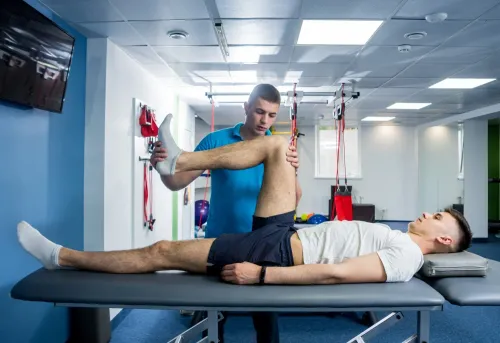
2. Compare active and passive range of motion. Ask you to raise the arm, reach behind your head and place an object on a shelf, then move the arm while you relax.
Limited active movement with near-normal passive movement points toward pain or weakness; restriction in both, especially rotation, raises concern for capsular stiffness or arthritis.
3. Test strength with resisted abduction and rotation, while noting pain, weakness and control of the shoulder blade. A painful contraction differs from true loss of force.
4. Examine the neck and screen sensation, reflexes and strength through the arm. Reproducing symptoms from the neck, or finding progressive neurological loss, changes the referral and treatment plan.
The clinician should then record baseline reach, range and strength, and explain the planned movement treatment. A useful programme matches exercise load to irritability rather than starting aggressive stretching or relying only on massage, ultrasound or passive mobilisation.
Which movement treatments and exercise doses help restore overhead reach?
A shoulder pain physiotherapy movement treatment plan should match irritability, available range and force, not follow one fixed routine. Keep movement pain-limited; mild discomfort during exercise is acceptable when it settles within 24 hours and does not reduce the next session’s range. Stop and reassess if pain escalates or sleep worsens.
| Irritability and capacity | Movement treatment | Starting dose |
|---|---|---|
| High irritability, little active range, strength limited by pain | Assisted flexion with a stick or towel, pendulums, gentle scapular setting | 5–10 repetitions, 1–2 sets, 1–3 times daily |
| Moderate irritability, improving active range | Wall slides, assisted-to-active flexion, scapular control during arm elevation | 2 sets of 8–12 repetitions, once or twice daily |
| Low irritability, near-full range and measurable weakness | Rotator-cuff strengthening with a band or light weight, plus progressive overhead lifting | 2–3 sets of 8–12 repetitions, 2–3 days weekly |
Assisted flexion reduces the effort required while you regain motion; do not force the arm past a sharp or catching pain. Start wall slides only when you can control the shoulder without shrugging. Scapular control means keeping the shoulder blade moving smoothly, not pinning it rigidly down.
For a stiff, highly painful frozen shoulder, gentle motion and load modification come before strong stretching; stronger resistance belongs after range and irritability improve.
How do you progress from a painful shoulder to confident overhead activity?
The best physiotherapy for shoulder pain reaching overhead is a staged plan, not complete rest or repeated passive treatment. Once serious injury has been excluded, keep comfortable daily movement while reducing the load that provokes symptoms most.
1. Reduce the provocation. Move frequently within a tolerable range, but pause heavy overhead pressing, repeated shelf work or painful sport drills. For a highly irritable frozen shoulder, use gentle pain-limited movement; do not force stretching into a flare.
2. Rebuild movement, then strength. Progress from assisted flexion and wall slides to active reaching, scapular control and rotator-cuff resistance. Add load only when you can complete the current exercise with steady control and no worsening pain.
3. Use a 24-hour response rule. Mild discomfort during exercise is acceptable if it settles and your next-day movement is no worse. If pain becomes sharp, strength drops, night pain increases or symptoms remain worse beyond the next day, reduce range, repetitions or resistance before progressing.
4. Practise the real demand. Start with a light object at waist height, then shoulder height and finally overhead. Rehearse your job, lifting technique or sport movement in short sets; increase weight, reach, speed or duration one variable at a time.
Track active range, resisted strength, pain, sleep and a task such as placing an object on a shelf. If these measures stall, reassess the diagnosis and plan rather than simply adding machines or massage.
How can you compare shoulder rehabilitation options in Pune and Vishrantwadi?
A useful comparison starts with what the plan measures, not how many machines fill the room or visits appear on the receipt. For shoulder pain rehabilitation in Pune, ask whether the clinician screens red flags and neck involvement before loading the shoulder.
- Will you record active and passive flexion, abduction, external rotation and strength?
- Which home exercises will you practise, and how will pain or next-day soreness change the dose?
- What task will demonstrate progress: placing an object on a shelf, dressing, lifting or reaching behind your head?
- When will the plan be reviewed, and what finding would prompt medical referral or imaging?
| Option | What to check | Evidence of progress |
|---|---|---|
| Assessment-led rehabilitation | Neck screen, neurological check, active/passive range and resisted tests | More range, strength and useful overhead tasks |
| Passive package | Massage, ultrasound or mobilisation without a home programme | No reliable measure beyond temporary pain relief |
| High-visit exercise plan | Whether visits add progression rather than repetition | Clear increases in resistance, repetitions or activity tolerance |
For shoulder mobility physiotherapy Vishrantwadi, Dr Renukas Physiotherapy center is worth comparing by asking for these baseline measures and review dates, rather than choosing from equipment photographs. A sound plan can use hands-on treatment for short-term comfort, but exercise progression and self-management must carry the rehabilitation forward.
Related service
all types of joint pain ₹600 we give holistic Treatment for spondylysis, neck pain Back pain, shoulder pain, tennis elbow, sciatica, knee pain, ankle sprain, sports... View service → |
Frequently asked questions
What does difficulty reaching overhead reveal about the problem?
It indicates a movement problem, not a diagnosis. Rotator-cuff-related pain, frozen shoulder, arthritis, acromioclavicular-joint pain, and neck-related symptoms produce different patterns.
How should physiotherapy assess an overhead shoulder problem?
Assessment should compare active and passive range of motion, test strength and painful movement patterns, examine the neck, and check for tingling or numbness.
Which treatments and exercise doses help restore overhead reach?
Treatment can combine guided mobility work, rotator-cuff and shoulder-blade strengthening, and gradual overhead loading. The dose should match pain response, movement quality, and recovery between sessions.
How do you progress from a painful shoulder to confident overhead activity?
Progress from comfortable range-of-motion exercises to resistance, reaching tasks, and the specific overhead activities you need, increasing load only when movement remains controlled.
How can you compare shoulder rehabilitation options in Pune and Vishrantwadi?
Compare clinics by the thoroughness of the assessment, individualised exercise plan, supervision, progress measures, and clear guidance for home practice and activity progression.
Keywords