
Shoulder pain can come from the rotator cuff, a stiff joint, the neck, an injury, or a condition that needs medical attention before physiotherapy. You will be able to identify the right starting point, understand what a proper assessment and treatment plan involve, compare local clinics, and ask for a clear fee and booking arrangement.
Key takeaways
- Seek urgent medical care for severe injury, deformity, chest pain, or sudden arm weakness.
- A first assessment checks shoulder movement, strength, posture, neck signs, and daily limitations.
- Treatment may combine exercise therapy, manual techniques, education, and activity modification.
- Ask the clinic for current consultation and session fees before booking.
When Shoulder Pain Needs Physiotherapy and When It Needs Medical Care
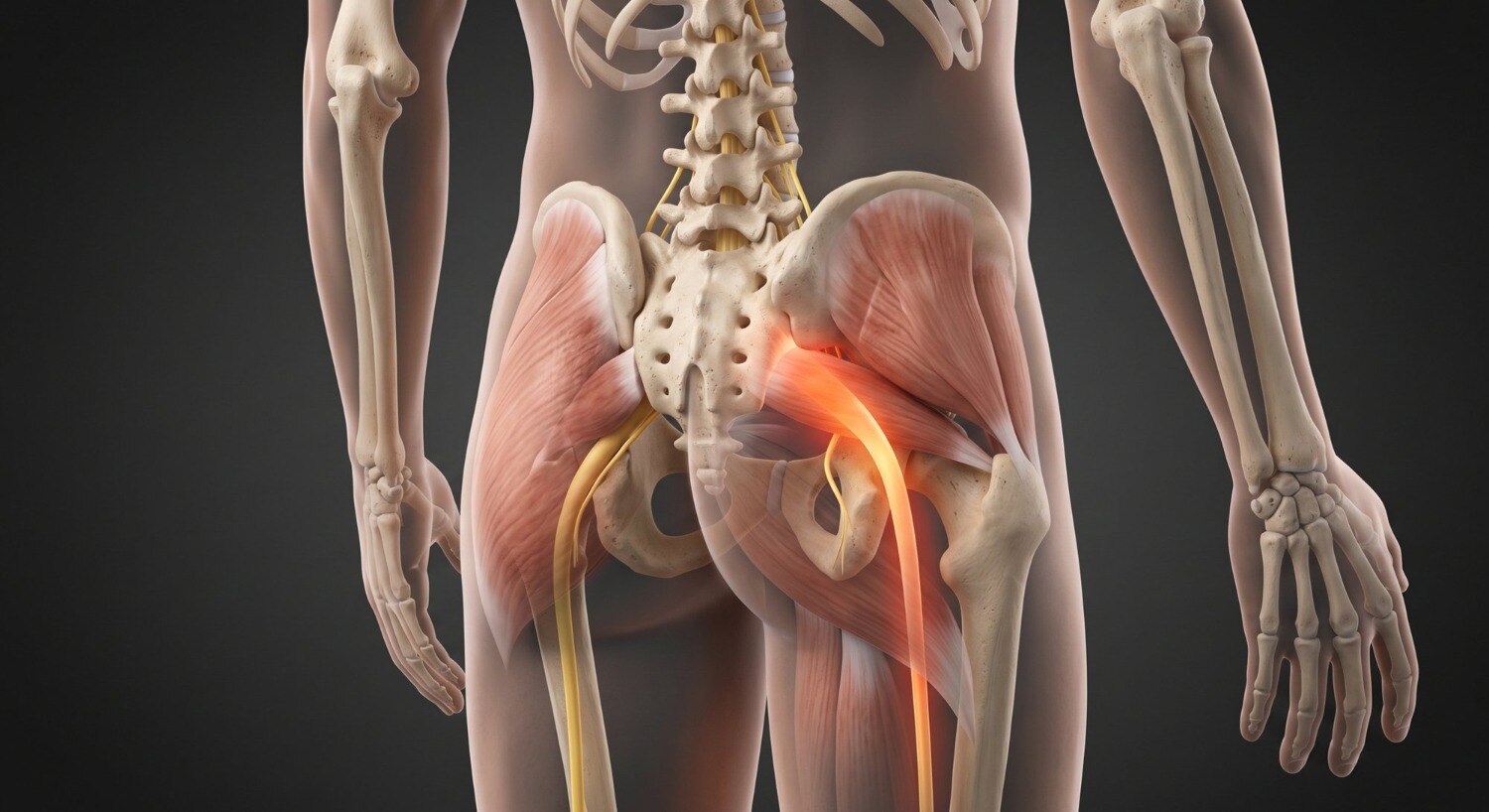
Shoulder pain is a symptom, not a diagnosis. Rotator-cuff tendinopathy, shoulder impingement, bursitis, arthritis, acromioclavicular-joint pain, instability, post-injury pain, and frozen shoulder (adhesive capsulitis) can all hurt near the same spot. Neck-related referred pain or cervical radiculopathy can also send pain, tingling, numbness, or weakness into the shoulder and arm.
Seek urgent medical assessment instead of booking routine physiotherapy if you have:
- Chest pain or breathlessness with shoulder pain
- Sudden arm weakness or numbness
- Major trauma, a visible deformity, or inability to move the arm
- Fever, an acutely unwell feeling, or a hot and swollen joint
- Unexplained weight loss or other signs of systemic illness
Rotator-cuff-related pain, bursitis, mild impingement, stiffness, stable arthritis, and many uncomplicated post-injury problems commonly suit conservative physiotherapy treatment for shoulder pain in Pune. Treatment can include graded exercise, mobility work, activity changes, and home exercises, but pain location alone cannot identify the right plan.
Severe trauma, suspected fracture or dislocation, marked weakness, neurological signs, systemic illness, or failure to improve with appropriate care can justify medical referral or imaging. A clinician may need to examine the neck, nerves, joint stability, and strength before deciding whether routine physiotherapy is safe.
Don’t rely on star ratings or a promise of rapid relief; choose assessment before treatment.
What Happens During a First Shoulder Pain Assessment
Your first assessment should establish what is limiting your shoulder before any exercise or hands-on treatment begins. Expect the physiotherapist to ask:
- When the pain started, whether an injury caused it, and how it behaves during the day and night.
- Which movements aggravate or ease it, including reaching overhead, dressing, lifting, driving, or sleeping.
- What your work, sport, and daily demands involve, and which functional goal matters most to you.
- Whether neck pain, tingling, numbness, or weakness travels into the arm.
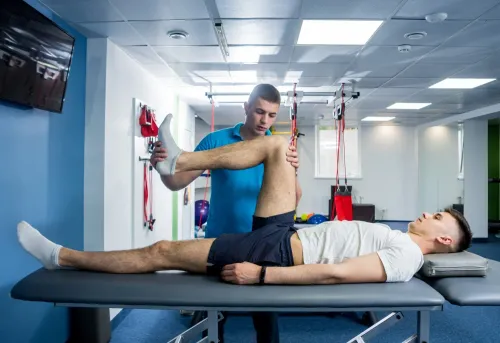
The examination includes active movement, where you move the arm yourself, and passive movement, where the clinician supports it. They will measure elevation and external rotation, observe posture and shoulder-blade movement, test strength or load tolerance, and screen the cervical spine and nerves.
A useful assessment records baseline pain, movement, strength, and a task such as dressing or reaching. The physiotherapist should explain a working diagnosis in plain language.
Frozen shoulder differs from rotator-cuff-related pain:
| Condition | Movement pattern | Rehabilitation emphasis |
|---|---|---|
| Frozen shoulder | Active and passive movement are restricted, especially external rotation | Phase-appropriate mobility and function |
| Rotator-cuff-related pain | Active movement or loading is painful; passive movement can be less restricted | Graded loading, strength, and restored function |
Routine imaging is not automatically needed for atraumatic shoulder pain. Referral becomes appropriate after major trauma, suspected fracture or dislocation, marked weakness, neurological signs, systemic illness, or failure to improve. Choose a shoulder pain physiotherapy clinic near me that measures progress before prescribing treatment.
Which Physiotherapy Treatments Match Each Shoulder Problem
Treatment should match the diagnosis and how irritable the shoulder is, not just where it hurts. A stiff or painful shoulder usually starts with gentle mobility, pain-limited movement, pacing, and gradual practice of useful tasks such as dressing or reaching.
| Problem | Treatment focus | What to watch for |
|---|---|---|
| Frozen shoulder | Pain-relieving movement in the painful phase; mobility in the stiff phase; strengthening and functional work during recovery | Active and passive movement remain restricted, especially external rotation |
| Rotator-cuff-related pain | Progressive resistance exercise, restored movement, and increasing load tolerance | Passive treatment alone will not rebuild capacity |
| Post-injury weakness | Graded rehabilitation for range, strength, confidence, and task performance | Progression should reflect healing and symptoms |
| Work or sport aggravation | Posture, movement, lifting, and technique retraining | Repeated overhead or poorly paced loading can keep symptoms active |
A physiotherapist may use joint or soft-tissue manual therapy for short-term pain or movement improvement, but it should support exercise rather than replace it. Your home programme should state the exercise, repetitions, frequency, pain limit, and progression rule.
Activity modification does not mean complete rest. Reduce or change the aggravating task, keep comfortable movement, and build exposure again as symptoms settle. Be cautious if a plan relies on routine ultrasound, heat, electrotherapy, or repeated massage without measurable gains in movement, strength, load tolerance, or daily function.
The best physiotherapy for shoulder pain in vishrantwadi in pune is therefore a diagnosis-led plan with reassessment, not a guaranteed rapid cure or a protocol that labels every shoulder problem “impingement.”
How Much Shoulder Physiotherapy Costs in Vishrantwadi and How to Book
There is no single regulated tariff for shoulder physiotherapy in Vishrantwadi, so compare the full plan rather than the lowest per-session price. Fees vary with the initial assessment, follow-up length, therapist experience, specialised equipment, home visits, and clinic or home-based delivery.
| Option | Why the fee differs | Check before booking |
|---|---|---|
| Initial assessment | History, examination, baseline measures, and treatment planning take longer | Ask whether a written home programme and reassessment plan are included |
| Follow-up session | Duration and treatment complexity vary | Confirm session length, exercise progression, and follow-up access |
| Home visit | Therapist travel adds time and travel cost | Ask about the travel or home-visit charge and service area |
Request a current written quote for shoulder pain physiotherapy cost Vishrantwadi. Ask whether it includes:
- The first assessment and each follow-up duration
- A written home programme and measurable goals
- Reassessment timing and progress reviews
- Cancellation terms
- Travel or home-visit charges
- Referral or imaging guidance if symptoms need medical review
When comparing a shoulder pain physiotherapy clinic near me, check therapist qualifications, assessment quality, communication, accessibility, follow-up, and referral pathways alongside distance and reviews. A convenient clinic is valuable when regular exercise progression matters.
If you search book shoulder pain physiotherapy in Pune, Dr Renukas Physiotherapy center can be considered after confirming these details and checking that the proposed plan includes active rehabilitation, not repeated passive treatment alone.
Related services
all types of joint pain ₹600 we give holistic Treatment for spondylysis, neck pain Back pain, shoulder pain, tennis elbow, sciatica, knee pain, ankle sprain, sports... View service → |
General Appointment ₹600 General Appointment |
How to Prepare for the First Visit and Judge Progress
Before the appointment, write down when the pain began, any fall or lifting incident, movements that worsen or relieve it, night symptoms, work or sport demands, and the tasks you want to regain. Bring prior scans, prescriptions, medical reports, and a complete list of current medicines.
Mention diabetes and any other condition that could affect recovery.
Ask for a home programme that states:
- The exercise and exact repetitions
- How often to perform it
- Acceptable pain limits
- When and how to progress
- What to do if symptoms flare
A realistic physiotherapy treatment for shoulder pain in Pune combines appointments with regular home exercise, activity modification, and scheduled reviews. Isolated sessions without self-management rarely provide a useful test of progress. Recovery depends on the diagnosis, pain irritability, stiffness, injury severity, sleep, general health, work demands, and adherence.
| Compare at review | Useful change | What it tells you |
|---|---|---|
| Movement | Higher elevation or rotation | Mobility is improving |
| Strength or load tolerance | More resistance or easier lifting | Capacity is improving |
| Pain behaviour | Less night pain or quicker settling | Irritability is reducing |
| Meaningful task | Easier dressing or reaching | Daily function is returning |
Seek reassessment if progress is absent or symptoms worsen. Arrange prompt medical assessment for new weakness, numbness, fever, or other systemic symptoms.
Frequently asked questions
When does shoulder pain need physiotherapy instead of medical care?
Physiotherapy suits many movement-related problems, including rotator-cuff pain, frozen shoulder, and recovery after injury. Seek medical care urgently for a deformed shoulder, suspected fracture or dislocation, sudden major weakness, chest pain, breathing difficulty, or new numbness with severe weakness.
What happens during a first shoulder pain physiotherapy assessment?
The physiotherapist reviews your symptoms, injury history, work and daily activities, then checks shoulder and neck movement, strength, posture, tenderness, and nerve-related signs. They use these findings to plan treatment or recommend medical evaluation.
Which physiotherapy treatments help different shoulder problems?
Treatment depends on the cause and examination findings. It can include progressive strengthening for rotator-cuff problems, mobility exercises for frozen shoulder, movement retraining for impingement-related pain, and graded rehabilitation after injury or surgery.
How much does shoulder physiotherapy cost in Vishrantwadi, Pune?
The fee depends on the clinic, assessment length, treatment plan, and number of sessions. Ask the clinic for the current consultation fee, follow-up session price, package terms, and cancellation policy before booking.
How should I prepare for my first shoulder physiotherapy visit?
Wear clothing that exposes the shoulder and upper back, bring medical reports or scans, list your medicines, and note when pain occurs. Tell the physiotherapist about night pain, numbness, weakness, previous injuries, and activities that worsen symptoms.
Keywords