Lower-back pain after training can be ordinary muscle soreness, a strain, joint irritation or a nerve-related problem, and the right response depends on which pattern you have. You will learn how to triage symptoms, evaluate a physiotherapy plan, progress through rehabilitation and return to exercise without repeating the same flare-up.
Key takeaways
- Pain lasting beyond 72 hours needs assessment, not repeated self-treatment.
- Tell your physiotherapist which exercise triggered the pain and when symptoms began.
- Rehabilitation should progress from pain control to movement, strength and sport-specific loading.
- Return to training when daily movement and graduated exercises remain comfortable.
Is it muscle soreness or an exercise-related back injury?
Ordinary post-exercise soreness is usually local, eases as you move and improves within 48 to 72 hours. Monitor it briefly if it is steadily settling. Pain that lasts beyond 48 to 72 hours, worsens with movement or repeatedly returns after training needs an assessment and an exercise-related back pain treatment plan, not repeated self-treatment.
| Pattern | What it suggests | What to do |
|---|---|---|
| Local ache in the lower back | Muscle soreness or local mechanical pain | Keep moving within tolerance and monitor for 48 to 72 hours |
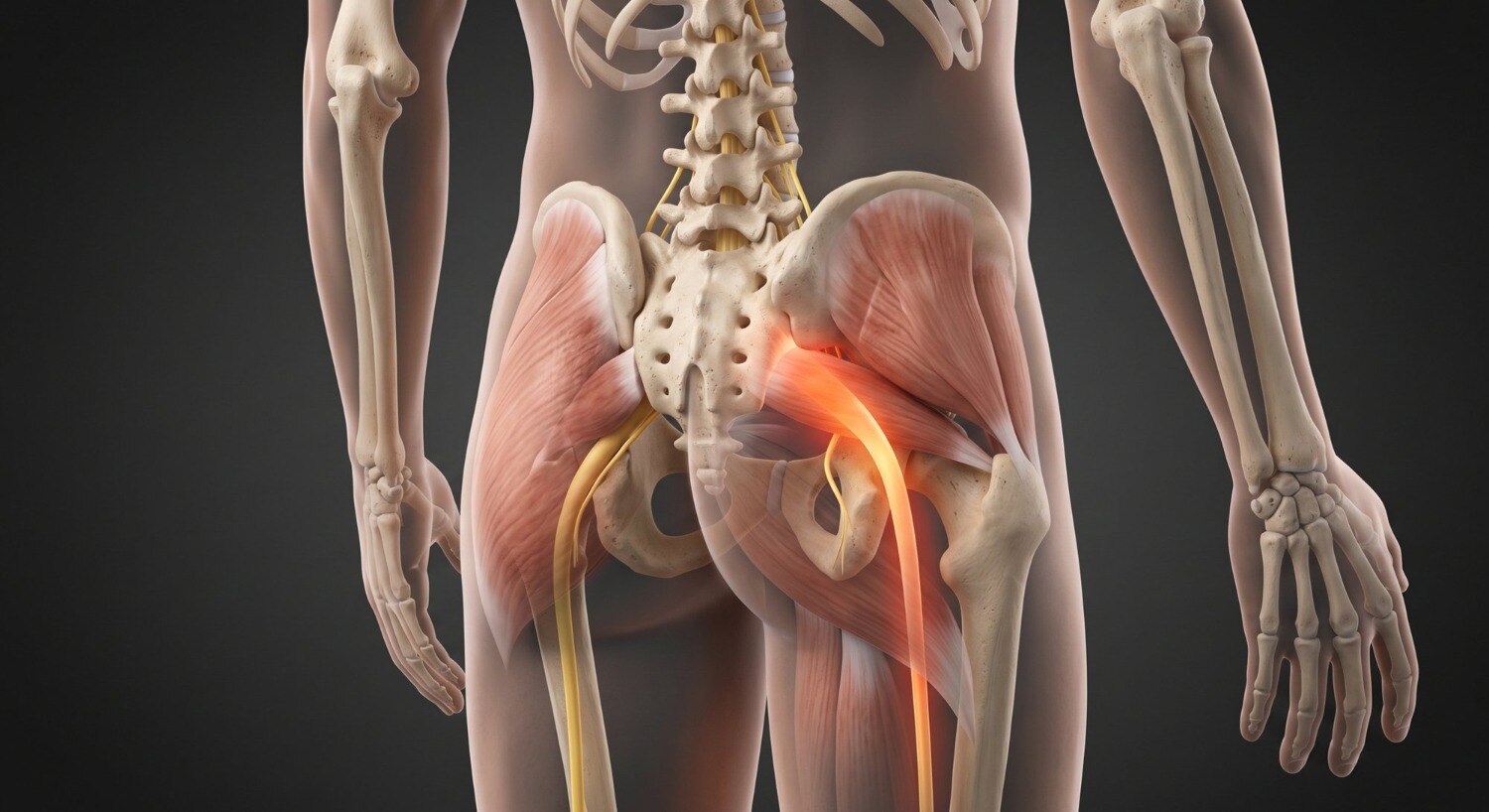
| Pain below the knee, pins and needles, numbness or weakness | Possible lumbar nerve-root involvement | Arrange physiotherapy assessment with neurological testing |
| Persistent, worsening or recurrent pain | Injury or an uncorrected training problem | Stop provoking loads and arrange an assessment |
Seek urgent medical screening for any of these red flags:
- New bladder or bowel problems
- Numbness around the groin or saddle area
- Progressive leg weakness
- Fever
- Unexplained weight loss
- A history of cancer
- Major trauma
- Severe night pain
Routine X-ray or MRI is not usually the first step for uncomplicated back pain. Imaging is considered when serious disease is suspected or when the result would change management; disc bulges and age-related changes are common even without pain.
What caused the pain, and what should the first assessment check?
Lower-back pain after exercise usually follows a mismatch between training demand and current capacity: a sudden increase in weight, sets, running distance or training frequency, poor lifting technique, or an inadequate warm-up. Repeated spinal flexion or extension, weak trunk and hip muscles, and limited hip mobility can add stress.
The clinician must identify local mechanical pain or nerve-related pain, not label every post-exercise symptom as muscle tightness.
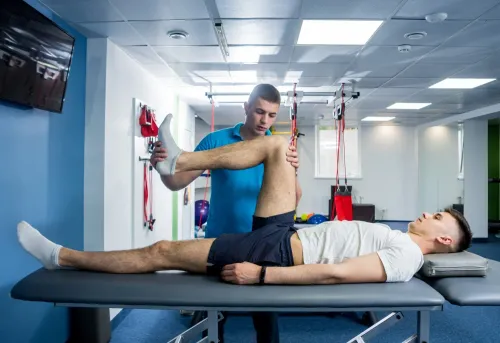
At the first visit, expect a record of when symptoms began, what aggravates or eases them, pain distribution, training history, work demands, sleep and previous flare-ups. If pain travels into the leg, neurological screening should check sensation, reflexes and strength.
A useful assessment should include:
- Hip and spinal movement checks, including movements that reproduce or ease symptoms.
- Strength testing for the trunk, hips and legs.
- Review of lifting, running or exercise technique.
- Training-load analysis covering recent changes in weight, volume, speed and frequency.
For back pain rehabilitation in pune, check that the provider sets measurable goals, gives you a written home programme and schedules a planned review. Those details show how progress will be judged and what happens if symptoms return. A vague diagnosis followed by passive treatment alone gives you little guidance for safely resuming exercise.
How should physiotherapy differ for strain, joint, disc and nerve pain?
The best plan depends on the pain pattern, not a generic exercise list or a single advertised machine. For exercise related back pain treatment, the assessment must identify what movement or load provokes symptoms and what function you need to regain.
| Pattern | Useful starting focus | What to avoid assuming |
|---|---|---|
| Muscle strain | Reduce loading briefly, then use graded strengthening and rebuild lifting tolerance | That complete rest or repeated massage will restore capacity |
| Facet-joint irritation | Temporarily reduce painful extension or rotation while restoring controlled movement | That every stiff back needs forceful manipulation |
| Disc-related symptoms | Use a response-based plan and stop repeatedly provoking your specific symptom pattern | That every disc problem needs traction |
| Sacroiliac-region pain | Assess hip, lumbar and trunk function together | That the joint is proven to be “misaligned” |
| Nerve-related leg pain | Test reflexes, strength and sensation; monitor whether symptoms spread or retreat | That radiating pain is simple muscle tightness |
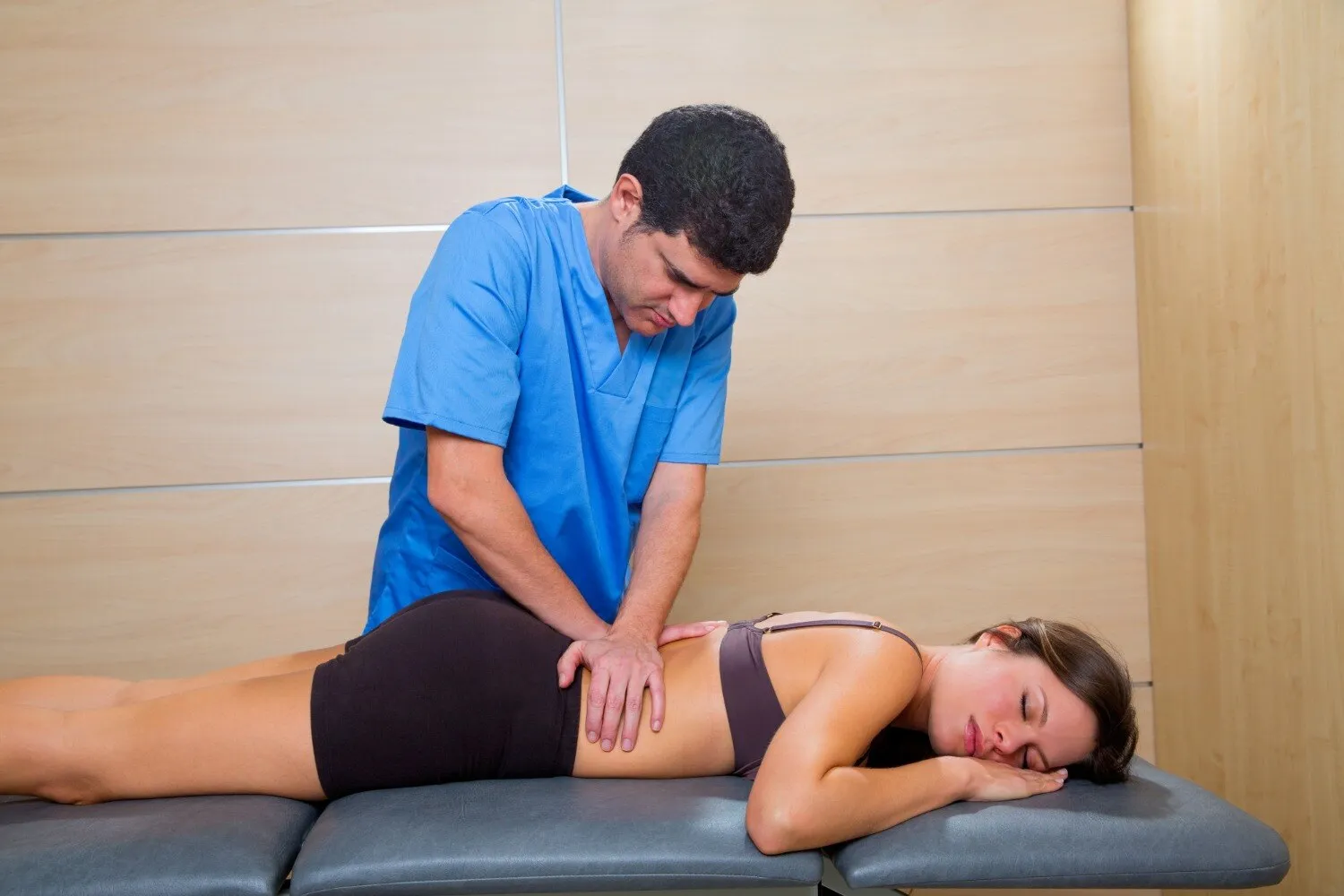
Exercise, education and activity advice form the core of guideline-based care. Manual therapy or soft-tissue treatment can provide short-term relief, but it belongs inside an exercise programme rather than replacing it.
Routine traction, corsets and acupuncture are not substitutes for progressive rehabilitation. Ask how the plan will measure walking, lifting, strength, symptom spread or training tolerance, and when it will be reviewed. Persistent fear of movement, poor sleep, work demands and repeated flare-ups also deserve attention because they can slow recovery.
What does a staged rehabilitation plan look like?
A four-stage progression is the foundation of exercise related back pain treatment, but the exercises and pace must match your symptoms, examination findings and training demands.
1. Stage one controls symptoms. Reduce the load that provokes pain by lowering weight, range or training volume, but avoid prolonged bed rest. Use tolerable walking or another gentle movement; complete rest can make returning to activity harder.
2. Stage two restores walking, transfers, work tasks and ordinary daily movement. Progress when symptoms settle rather than worsen later that day or the next morning. Increase activity gradually, not because a calendar says you should.
3. Stage three builds trunk and hip capacity with exercises selected after assessment. Options can include pelvic tilts in a comfortable range, hip-hinge practice with a dowel or light object, bird-dog progressions and modified side planks before longer-lever versions.
Start with a repeatable dose, such as one or two sets with controlled form, then increase repetitions, hold time or resistance gradually. Modify or stop an exercise if it increases radiating pain, numbness or weakness.
4. Stage four prepares you for lifting or sport. Test the required movements only when walking and daily activity feel comfortable, technique stays controlled and the next-day response is no worse. If symptoms flare, reduce range, volume or resistance before trying again.
How do you choose physiotherapy in Vishrantwadi and return to training safely?
Reduce weight, range of motion, speed, volume or frequency before stopping all activity. Increase only one variable at a time, and judge the next step by how your back responds over the following 24 hours, not only by pain during training.
Rebuild lifting in stages: practise a pain-controlled hip hinge with a dowel, then use a light deadlift pattern. Before full training or competition, test squats, running, jumping, rotation and sport-specific movements. A flare-up the next day means the previous load was too high; reduce one variable and repeat.
| best physiotherapy for lower back pain in Vishrantwadi | What to check | Why it matters |
|---|---|---|
| Exercise-led clinic | Qualified physiotherapist, assessment, written home plan, measurable goals and review date | Treatment adapts to symptoms, strength, mobility, work and training |
| Passive-only package | Machine, traction, massage or acupuncture presented as the main solution | Relief may not rebuild capacity or prepare you for sport |
| Posture-correction promise | Permanent spinal realignment claimed for every case | Back pain has different mechanical and nerve-related patterns |
For back pain rehabilitation in Pune, ask how the clinician will examine your history and perform neurological testing when leg symptoms indicate it. Ask which milestones will permit heavier loading and what to do during a flare-up. Dr Renukas Physiotherapy center can be compared with other Vishrantwadi providers using these same checks.
Choose the clinician who links treatment to your demands, rather than promising that one modality fixes every back problem.
Related services
all types of joint pain ₹600 we give holistic Treatment for spondylysis, neck pain Back pain, shoulder pain, tennis elbow, sciatica, knee pain, ankle sprain, sports... View service → |
General Appointment ₹600 General Appointment |
Frequently asked questions
How can you tell muscle soreness from an exercise-related back injury?
Ordinary soreness is usually local, eases as you move and improves within 48 to 72 hours. Pain that worsens, persists beyond 72 hours or repeatedly returns after training needs assessment.
What should a first assessment for exercise-related back pain check?
The assessment should review the triggering exercise, training load, pain location, movement limits, strength, sensation, reflexes and warning signs such as leg weakness or bladder and bowel changes.
How does physiotherapy differ for strain, joint, disc and nerve pain?
A strain plan focuses on graded movement and muscle loading. Joint pain needs controlled mobility and strength. Disc-related pain requires symptom-guided positions and loading. Nerve pain also requires neurological testing and careful progression.
What does a staged back pain rehabilitation plan involve?
Progress from symptom control and comfortable movement to trunk and hip strength, then functional and sport-specific exercises. Increase load only when the current stage remains comfortable.
How do you return to exercise safely after lower back pain?
Resume with reduced weight, range or volume, keep technique controlled, and increase one training variable at a time. Stop and seek review if pain escalates or neurological symptoms appear.
Keywords