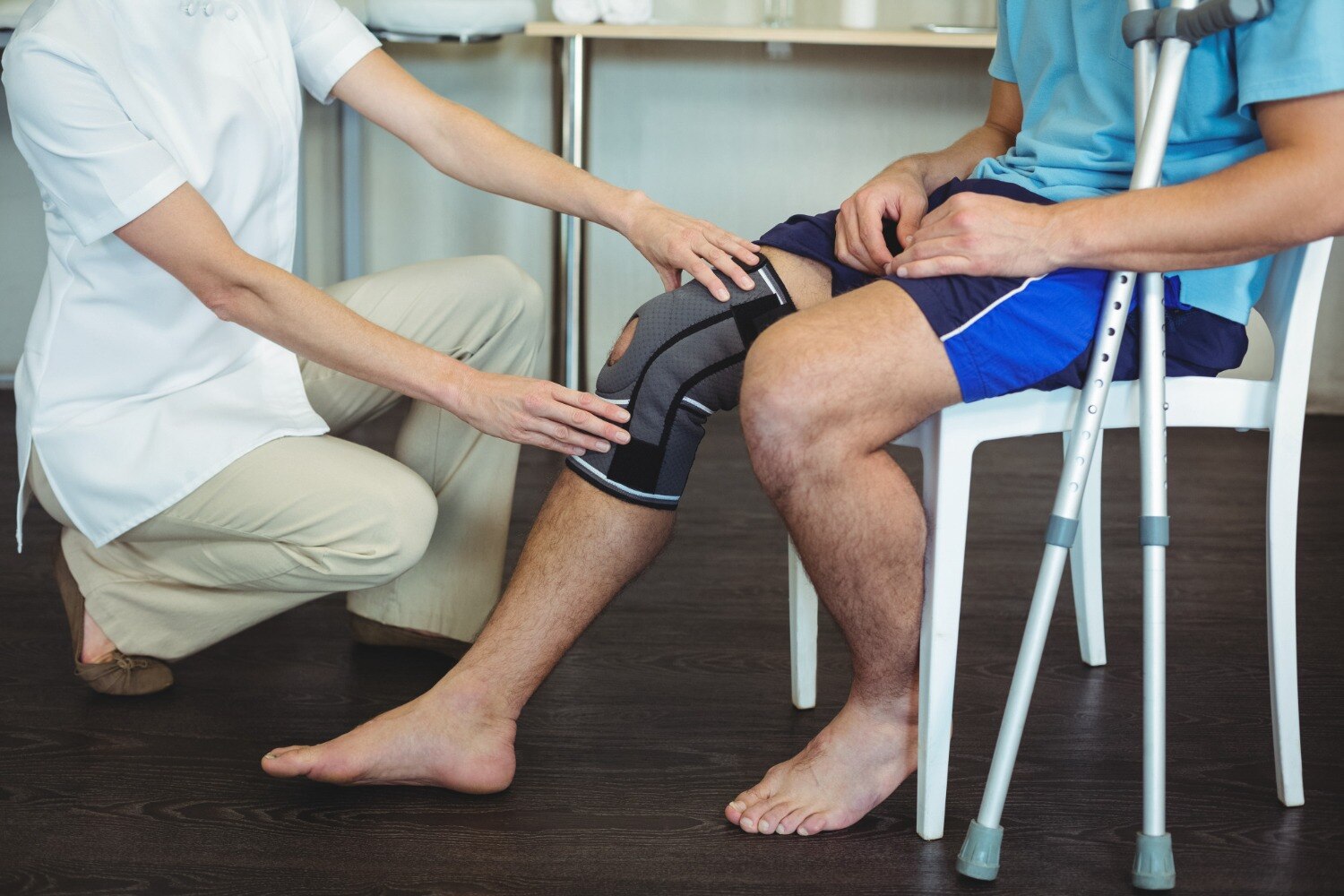
Joint pain is not one diagnosis, and the right treatment depends on whether the problem is osteoarthritis, an injury, tendon or bursa irritation, inflammatory disease, infection or referred pain. By the end, you will know what a useful assessment includes, what active treatment should look like, how to track progress and when physiotherapy is the wrong first step.
Key takeaways
- Match treatment to the joint, diagnosis, pain irritability and daily goals.
- Expect assessment of movement, strength, function and contributing factors at your first appointment.
- Choose exercise-based care that includes measurable progress, not massage alone.
- Track pain, movement and daily function to judge whether treatment is working.
What makes physiotherapy appropriate for your joint pain?
Physiotherapy suits joint pain when movement, strength or daily function has changed and a clinician can identify a manageable cause, such as osteoarthritis, tendinopathy or an injury. There is no single best physiotherapy for joint pain in Vishrantwadi: treatment must match the joint, pain irritability, diagnosis, work demands and goals.
| Joint | Care should emphasise | Useful progress measure |
|---|---|---|
| Knee | Quadriceps and hip strength, walking, stairs and sit-to-stand | Easier stairs and longer walking |
| Shoulder | Range of motion, rotator-cuff strength and controlled reaching | Reaching overhead with less pain |
| Hip | Hip strength, gait, balance and load management | Better walking and chair transfers |
| Ankle | Mobility, calf strength, balance and graded weight-bearing | Steadier walking and fewer giving-way episodes |
| Elbow | Load modification, forearm strength and task-specific movement | Improved lifting or gripping |
| Wrist | Mobility, grip strength and gradual hand loading | Easier typing, lifting or hand use |
A suitable assessment checks onset and pain pattern, swelling or deformity, joint movement, strength, gait or movement strategy, functional tasks and neurological or systemic symptoms. Scans are not automatically needed for typical osteoarthritis; a clinical assessment often guides care.
Seek urgent medical assessment for a hot, markedly swollen joint with fever, suspected fracture or dislocation, sudden inability to bear weight, rapidly worsening weakness or numbness, or severe unexplained night pain. Persistent swelling also needs prompt medical review.
What happens at the first physiotherapy appointment?
Before treatment begins, a thorough assessment should identify the likely pain source, how the joint is affected, and whether physiotherapy is safe. A scan alone cannot show how pain is limiting your daily movement.
1. Describe when the pain started, whether an injury triggered it, where you feel it, and what worsens or eases it. Report night pain, morning stiffness, swelling, locking, giving way and previous treatment.
2. The physiotherapist should inspect the joint for swelling, bruising, redness, deformity and muscle wasting. A hot, markedly swollen joint with fever needs medical assessment rather than routine physiotherapy.
3. They should measure active and passive movement, comparing sides where useful. Limited or painful range can point toward joint irritation, tendon involvement or stiffness.
4. Strength testing should cover the muscles supporting the joint, not just the painful area. The clinician should also observe walking, balance, stairs, sit-to-stand, reaching or hand use, depending on your problem.
5. Screen for numbness, tingling, altered reflexes, progressive weakness, unexplained weight loss and other systemic symptoms. Sudden inability to bear weight, suspected fracture or rapidly worsening neurological symptoms require prompt medical care.
6. End with a working explanation, clear uncertainty where it exists, and measurable goals linked to your work, sleep and daily tasks. The plan should specify exercises, activity changes, review timing and what would trigger referral or imaging.
What should practical treatment include beyond massage?
Effective practical physiotherapy for joint pain builds capacity, not dependence on massage. Massage, heat or cold can reduce symptoms temporarily, but lasting gains come from restoring joint movement, muscle strength, balance and confidence during real tasks.
| Component | Builds | What goes wrong |
|---|---|---|
| Education and pacing | Better activity decisions and consistent participation | Resting completely after every painful episode reduces capacity |
| Mobility work | Joint range needed for walking, reaching or gripping | Forcing a stiff or irritated joint increases symptoms |
| Progressive strengthening | Muscle capacity for stairs, lifting and daily use | Using the same light exercise indefinitely creates no new challenge |
| Balance and functional practice | Safer walking, sit-to-stand, reaching or hand use | Training muscles without practising the task leaves the original problem |
| Manual therapy | Short-term movement or pain relief | Treating it as the whole programme delays active recovery |
A good plan increases load gradually, moving from tolerable movement or isometric holds to resistance, balance and task-specific work. Progress should follow your response: more repetitions, longer walking, easier stairs, better reach or improved sleep matter more than attending a fixed number of sessions.
Common mistakes that undermine rehabilitation include:
- Stopping all exercise because discomfort rises briefly; ask for the volume or intensity to be adjusted instead.
- Chasing pain-free movement while ignoring weakness, poor technique or an inefficient movement strategy.
- Repeating home exercises without feedback, progression or a review of your daily goals.
- Returning suddenly to running, lifting or sport after several quiet weeks.
- Using pain relief alone while postponing strengthening and functional practice.
How long should recovery take, and how do you know it is working?
Expect function to improve before pain disappears: a workable plan produces small, measurable gains over two to six weeks, while recovery from a significant injury or long-standing joint problem can take several months. Your diagnosis, irritability, strength, sleep, work demands and starting fitness set the pace.
Plan on completing prescribed exercises several days each week, practising movement between appointments and gradually increasing repetitions, resistance, walking distance or task difficulty. Your programme should state what to do during a flare; a symptom increase that settles within 24 hours usually calls for pacing, not abandoning rehabilitation.
Track these changes from your starting point:
- Pain during stairs, walking, reaching, gripping or getting out of a chair
- Joint movement, such as knee bend, shoulder reach or ankle flexibility
- Strength, including repetitions, resistance or time holding a position
- Function, such as walking minutes, stair flights, standing tolerance or hand use
- Sleep interruptions and your ability to complete work or household tasks
A review after two to four weeks should compare these measures, not just ask whether pain feels better. Improvement means you can do more with the same pain, or the same tasks with less pain and quicker recovery.
Heat, cold or massage can provide short-term relief, but they do not replace strengthening, graded activity and functional practice. If swelling increases, weakness appears, pain worsens steadily or progress stops, contact your physiotherapist for reassessment.
How should you compare physiotherapy with other options in Pune?
Choose self-care for mild, recent joint pain that is improving and has no red flags; choose medical review when the pattern is severe, persistent or unclear.
| Option | What it offers | When it applies |
|---|---|---|
| Self-care | Relative rest, gentle movement, ice or heat, and gradual activity | Mild symptoms improving within 1–2 weeks |
| Medication | Pain relief or anti-inflammatory treatment chosen with a doctor or pharmacist | Pain is limiting sleep or daily activity; check stomach, kidney and other risks |
| Imaging | X-ray, ultrasound or MRI to answer a specific diagnostic question | Atypical symptoms, major injury, suspected fracture, persistent swelling or suspected alternative diagnosis |
| Injection | Local treatment for selected inflammatory or painful conditions | A confirmed diagnosis and inadequate response to exercise or medication |
| Orthopaedic review | Specialist assessment of structural injury or ongoing disability | Instability, suspected tendon tear, locking, deformity or failed rehabilitation |
| Surgery | Repair or replacement of a defined structural problem | Symptoms remain disabling after appropriate non-surgical care, or urgent damage requires it |
For typical osteoarthritis, do not delay conservative care solely to obtain an image. Seek urgent assessment for a hot swollen joint with fever, sudden inability to bear weight, suspected fracture or dislocation, rapidly worsening weakness or numbness, or severe unexplained night pain.
When comparing physiotherapy treatment for joint pain in Pune, look for a clinician who explains the likely pain source and uncertainty, screens for referral, teaches an active home plan, checks technique and measures function. Dr Renukas Physiotherapy center is worth comparing on those criteria, not on its machine count.
The best physiotherapy for joint pain in Vishrantwadi is the plan matched to your diagnosis, irritability, strength, work and goals, then progressed when measurable function improves.
Frequently asked questions
What makes physiotherapy appropriate for joint pain?
Physiotherapy is appropriate when joint pain has changed your movement, strength or daily function and a clinician can identify a manageable cause such as osteoarthritis, tendinopathy or injury.
What happens at the first physiotherapy appointment?
The clinician assesses your painful joint, movement, strength, function, symptoms and goals before recommending a treatment plan matched to your condition.
What should practical treatment include beyond massage?
Practical treatment should address the cause of your symptoms with targeted exercises, movement retraining, load management and progress checks. Massage can support comfort but should not be the entire plan.
How long should recovery take, and how do you know it is working?
Recovery time depends on the diagnosis, symptom irritability, joint involved and your daily demands. Track pain, range of movement, strength and everyday tasks to check for progress.
How should you compare physiotherapy with other options in Pune?
Compare the assessment process, diagnosis-specific plan, exercise guidance, progress measures, communication and referral process rather than choosing a clinic based only on massage or location.
Keywords