
Back pain can interfere with sitting, walking, sleeping, driving, and routine household work. When symptoms persist, many people begin to wonder whether they need injections or surgery. In most uncomplicated cases, conservative care is considered before invasive treatment. The best non-invasive treatment for back pain usually combines physiotherapy, appropriate activity, exercise progression, and practical changes to daily habits.
At Dr Renuka's Physiotherapy Center, treatment is planned after assessing the nature of the pain, spinal and hip mobility, muscle strength, posture, work demands, and symptoms such as tingling or leg discomfort. This assessment helps distinguish common mechanical back pain from problems requiring further medical evaluation.
Physiotherapy for Back Pain in Vishrantwadi
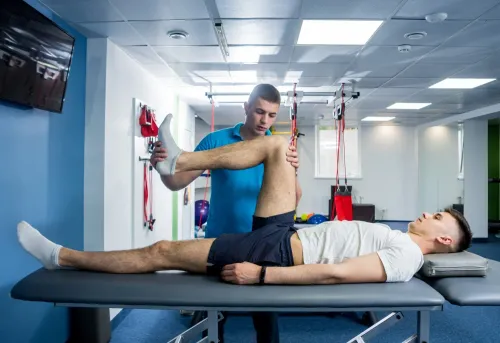
Physiotherapy takes an active approach to recovery. Rather than concentrating only on temporary pain relief, it helps patients regain movement and improve their capacity for everyday activities.
Depending on the assessment, treatment may include:
- Gentle mobility exercises
- Core and hip strengthening
- Posture and movement correction
- Manual therapy where appropriate
- Guidance for sitting and sleeping positions
- Safe bending and lifting practice
- Gradual return to exercise
- A personalised home programme
The treatment plan should change as symptoms improve. Exercises used during an uncomfortable early stage may be different from those needed to prevent future episodes.
Physiotherapy or Complete Rest: Which Is Better?
Short periods of relative rest may help after a painful flare-up, but prolonged bed rest can increase stiffness and reduce muscle conditioning. Many people recover more effectively when they continue comfortable activities and gradually increase movement.
Relative rest means modifying activities rather than stopping everything. Someone with pain during prolonged sitting, for example, may benefit from shorter sitting periods, regular walking breaks, and temporary adjustments to the workstation.
Physiotherapy provides structured guidance on how much activity is suitable. This can prevent the cycle of doing too much on a good day and then becoming inactive after symptoms return.
Are Passive Treatments Enough?
Heat, soft-tissue techniques, or other pain-relieving methods may provide short-term comfort. However, passive treatments alone may not address weakness, restricted mobility, poor lifting habits, or reduced physical tolerance.
Active rehabilitation is generally more useful for lasting improvement. The goal is to help the back handle daily demands with greater confidence, not to make the person dependent on repeated passive sessions.
When Should Back Pain Be Investigated?
Routine physiotherapy may not be the first step when back pain is accompanied by:
- Loss of bladder or bowel control
- Numbness around the groin or inner thighs
- Rapidly worsening leg weakness
- Severe pain following a major fall or accident
- Unexplained fever or weight loss
- Constant pain that does not change with movement
- A known history of cancer or serious infection
These features require timely medical assessment.
Building a Practical Recovery Plan
Long commutes, desk-based jobs, two-wheeler travel, and limited movement during the day are common contributors to back discomfort among people in Pune, Maharashtra. A useful treatment programme should therefore fit the person’s actual routine.
If back pain is restricting your work, sleep, or everyday movement, schedule an assessment at Dr Renuka's Physiotherapy Center. A personalised non-invasive plan can help you move more comfortably and return to activity with better control.
Keywords